Roadside Battery Diagnostics vs Simple Jump Start: Which Do You Really Need?
Many drivers call roadside assistance expecting a quick jump start, only to find the vehicle fails again a day or two later. Knowing the difference between a basic jump start and a full roadside battery diagnostic can save time, money and repeat breakdowns.
What a simple jump start actually does
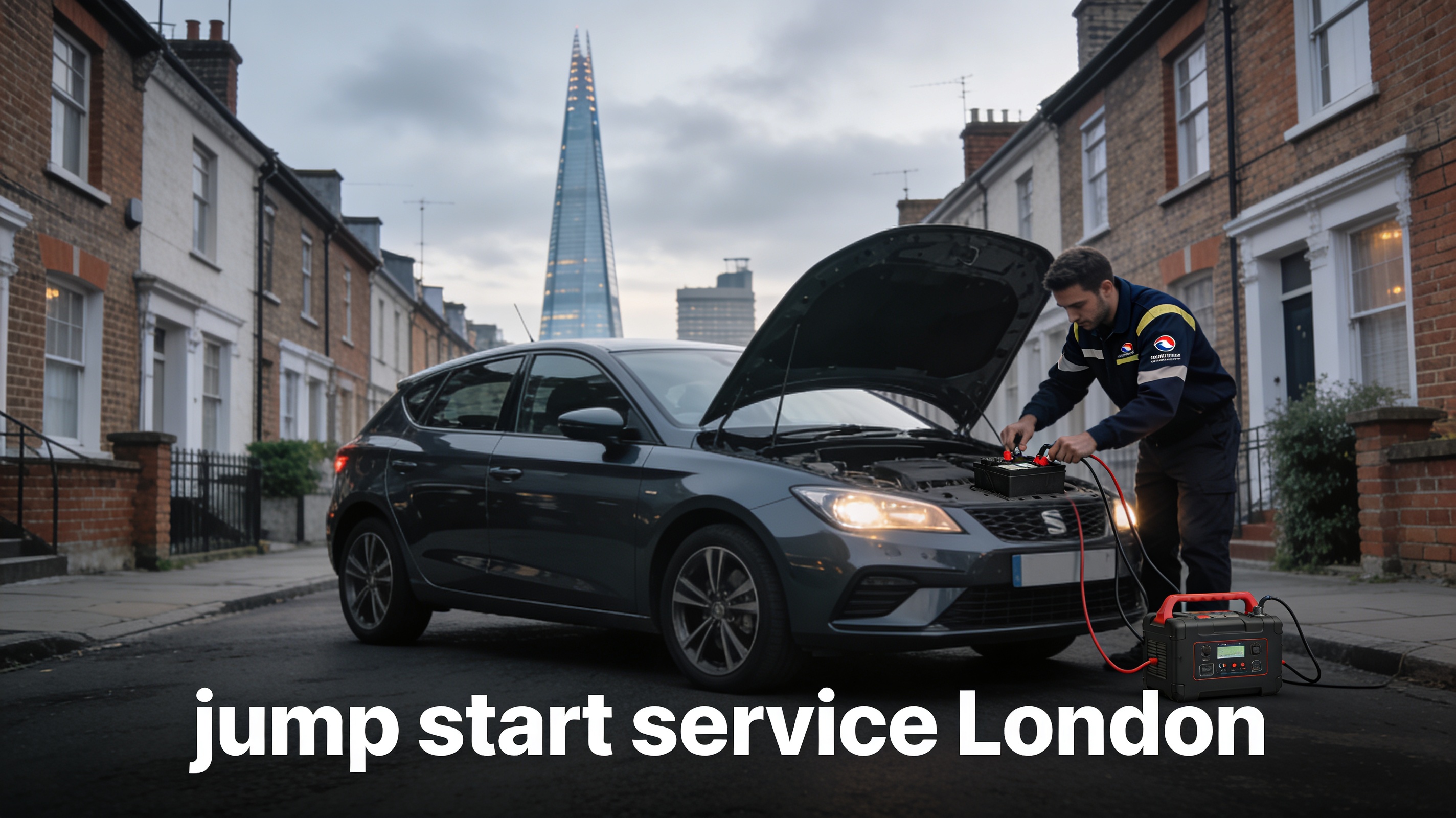
A jump start only provides a temporary boost of power to crank the engine and get the car running again. Once the engine is running, the alternator takes over and begins charging the battery, assuming the charging system is healthy. If the battery is very weak or damaged, it may accept just enough charge to restart once or twice before going flat again.
Jump starts are most appropriate when the cause of the flat is obvious, such as leaving the headlights on or not fully closing a door overnight. In those cases, a long drive to recharge the battery may restore normal operation, but even then, testing is recommended if the battery is older.
What proper roadside diagnostics include
A thorough roadside battery diagnostic goes far beyond a jump start. Technicians use handheld testers to measure cold cranking amps, internal resistance and voltage both under load and at rest. They also check alternator output and look for signs of parasitic drain that could be pulling power while the car is parked.
This data allows them to identify whether the battery is simply discharged, at the end of its life, or being let down by a faulty alternator or hidden electrical fault. Instead of guessing, you receive clear recommendations based on objective test results.
When diagnostics are essential
If your battery keeps going flat every few days, if the dashboard battery warning stays on while driving, or if the car struggles even after a long run, roadside diagnostics are essential. Repeatedly jump starting a failing battery or ignoring a charging fault can leave you stranded at the worst possible time.
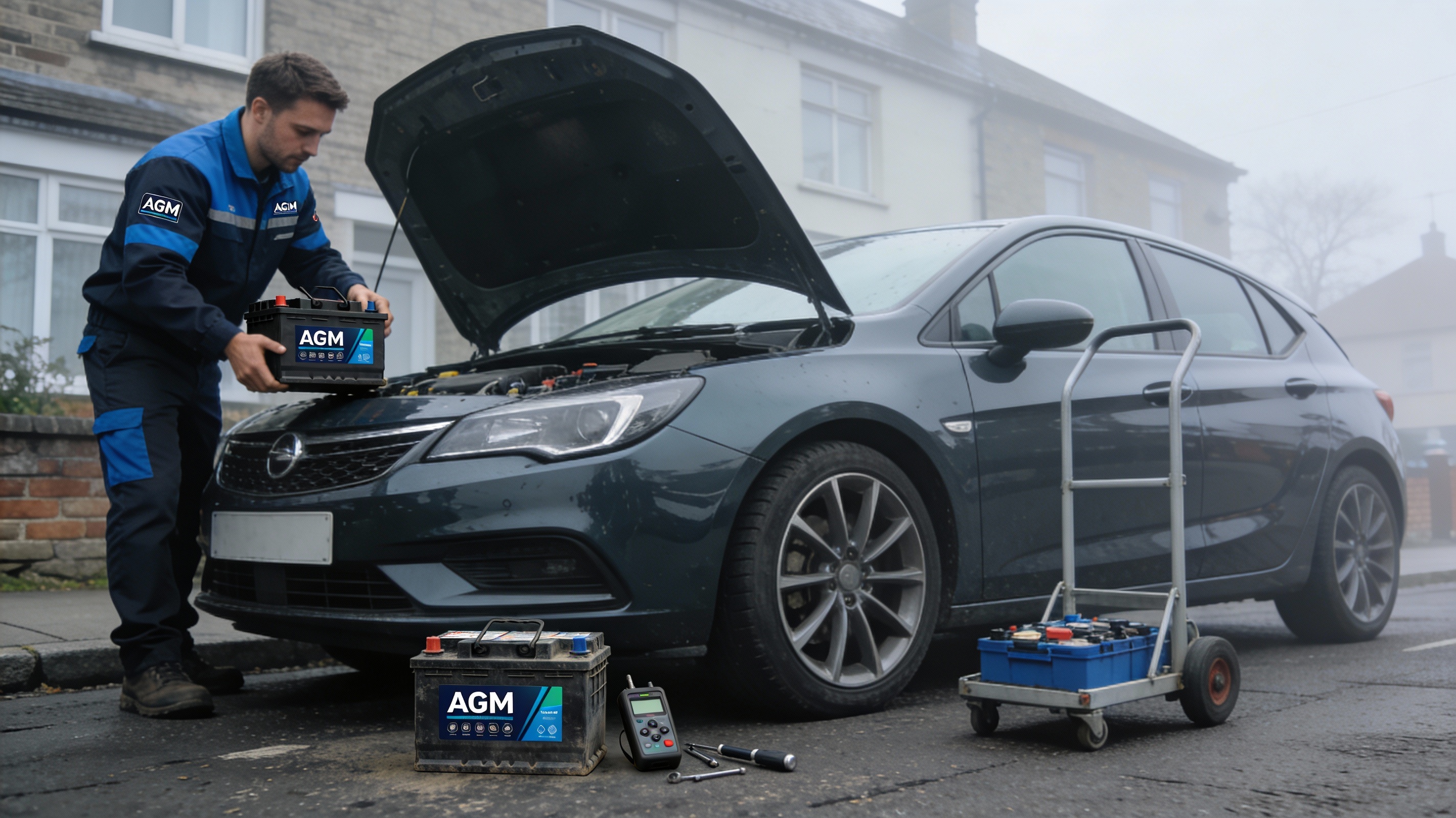
Diagnostics become even more important on vehicles with Start-Stop systems, AGM or EFB batteries and intelligent charging, where incorrect voltage can trigger warning lights, disable features and shorten battery life dramatically.
How roadside assistance prevents repeat call-outs
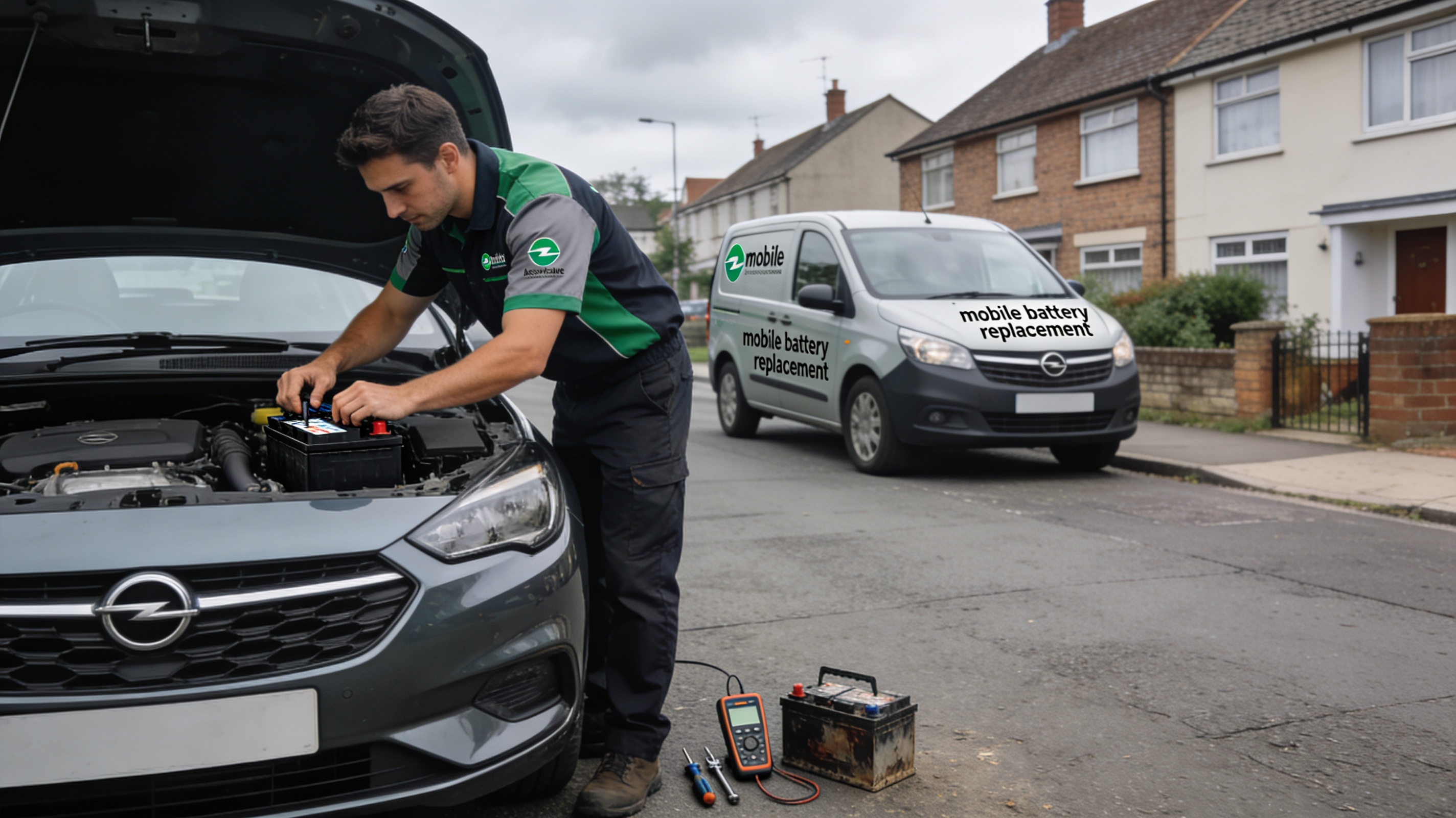
Professional roadside assistance aims to solve the root cause of the breakdown, not just restart the engine. By combining testing, on-the-spot replacement where required and coding for modern vehicles, many services can close out the call with a long-term fix rather than a temporary patch.
This approach may cost more upfront than a simple jump start, but it usually works out cheaper than multiple tow trucks, missed appointments and replacing parts at random without a proper diagnosis.