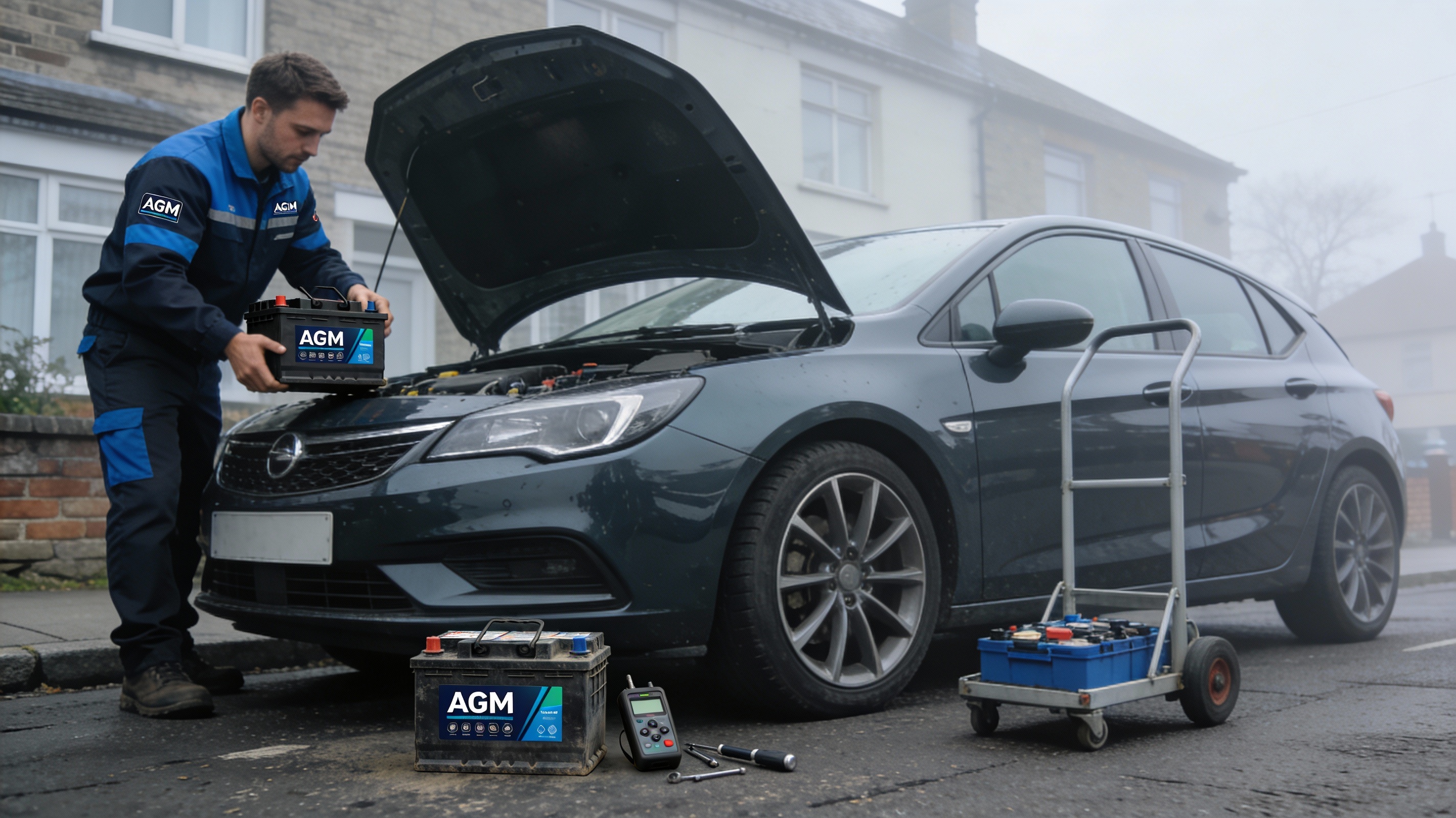
What to Tell Roadside Assistance When Calling About a Dead Battery
The information you provide when calling roadside assistance has a big impact on how quickly and effectively your battery problem is resolved. A clear description allows the dispatcher to send the right technician with suitable stock, tools and diagnostics.
Describe symptoms, not just it won’t start
Instead of simply saying the car will not start, mention whether you hear clicking, whether the dashboard lights up, and if any warning symbols were present recently. Details such as slow cranking for a week or a battery light coming on while driving help distinguish between battery, starter and alternator issues.
Let the operator know whether this is the first time the battery has gone flat or if it has happened several times, as repeated failures may suggest deeper electrical problems or parasitic drain.
Share vehicle and battery details
Have your registration number, make, model and year ready so the technician can identify the correct battery type and any special procedures in advance. If you know whether the car has Start-Stop, a hybrid system or an AGM battery fitted, mention this too.
Information about where the car is parked, for example a tight underground car park or a sloping driveway, also helps the service send a suitably equipped vehicle.
Mention recent work or modifications
Recent battery changes, audio installations, dash cam wiring or alarm upgrades are particularly important to share. These clues can point the technician towards potential parasitic drains or coding issues immediately.
The more relevant detail you provide upfront, the more likely it is that roadside assistance can fix the problem in a single visit without needing a second appointment or workshop referral.