Car Battery Warning Light On: Is It Safe to Drive?
What the Car Battery Warning Light Really Means
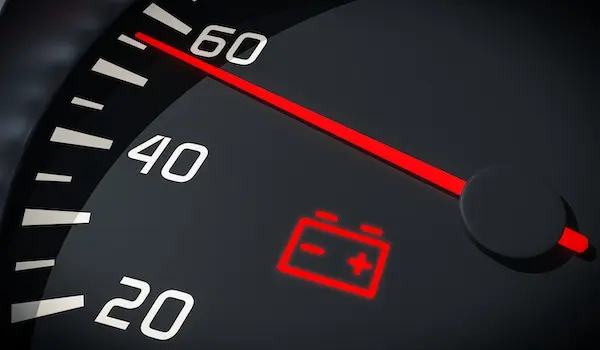
The car battery warning light doesn’t just mean “bad battery”; it indicates a problem in the charging system. When that red battery symbol appears on the dashboard while you’re driving, it usually means the alternator isn’t charging the battery properly, there’s a wiring/connection fault, or the control module has detected abnormal voltage. Left unchecked, the car will eventually run purely on battery power until it goes flat, at which point the engine will stall.
Is It Safe to Keep Driving?
How safe it is to continue driving depends on when the warning appears and what you can feel from the car. If the light briefly comes on with the ignition and goes off after starting, that’s normal. If it stays on, especially combined with dimming lights, slow wipers or electrical glitches, you are effectively on borrowed time. Continuing to drive may be possible for a short distance, but you risk the car cutting out without warning, which is particularly dangerous on motorways, junctions, or busy roundabouts.
Common Causes of the Battery Light Coming On
The most frequent culprit is a failing alternator or voltage regulator, which stops the battery from being charged as you drive. Other causes include a slipping or broken auxiliary/serpentine belt, poor connections at the battery or alternator, corroded earth points, or a control module fault. In some cases, a badly sulphated or internally shorted battery can trigger the light because the charging system senses abnormal voltage and current flow.
Symptoms You May Notice Alongside the Warning Light
Once the battery light comes on, you may notice other signs as the voltage drops. Headlights may become dim or flicker, the blower motor might slow down, power steering may feel heavier in some vehicles, and non-essential systems such as heated seats or rear screens may begin to misbehave. In severe cases, the engine may misfire or stall because the ignition and fuel systems are no longer receiving sufficient power.
What To Do If the Battery Light Comes On While Driving
If the battery warning light appears while you’re driving, it’s best to turn off non-essential electrical loads (heated screens, fans, audio) to conserve remaining battery power. Aim to pull over safely at the earliest opportunity rather than pushing on to your destination. Avoid repeatedly switching the engine off and on; each restart uses a significant amount of energy. Once parked somewhere safe, it’s wise to arrange assistance rather than risk a complete loss of power in a dangerous location.
Why Guessing Can Get Expensive
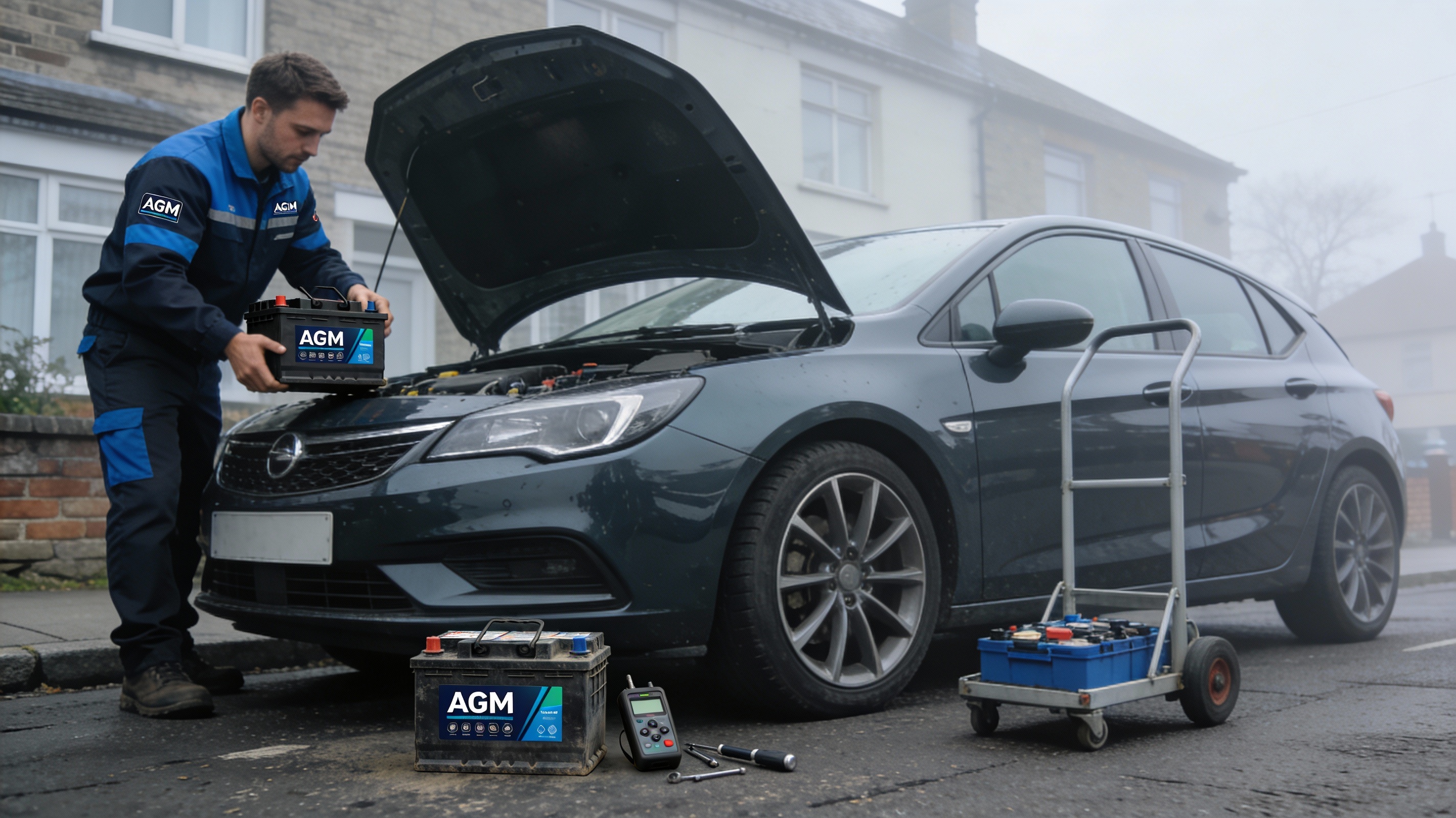
Many drivers respond to the battery light by fitting a new battery first, only to find the warning returns within days. Replacing parts at random can quickly become expensive if the real cause is a worn alternator, failing belt, or wiring fault. Without a proper charging-system test, you might be damaging a new battery by driving it under a faulty alternator, shortening its life and doubling your costs.
How Professionals Diagnose a Battery Warning Light
A professional will typically carry out a sequence of checks rather than relying on visual inspection alone. This includes measuring battery voltage at rest and with the engine running, checking alternator output under load, inspecting belts, terminals and earths, and scanning the vehicle’s control units for stored fault codes. On modern vehicles, there may also be checks of the smart charging system and battery management module to ensure the problem isn’t software- or sensor‑related.
When a Flat Battery Is a Symptom, Not the Cause
A flat or weak battery after a drive is often a symptom of poor charging rather than the root problem. If your battery frequently needs jump starts despite being relatively new, or if it tests healthy on a proper battery tester but still leaves you stranded, attention should shift to the alternator, belt, wiring, or parasitic drain. Treating the battery warning light as a whole-system issue, instead of blaming the battery alone, is key to a lasting fix.
Why Calling Roadside Assistance Often Makes Sense
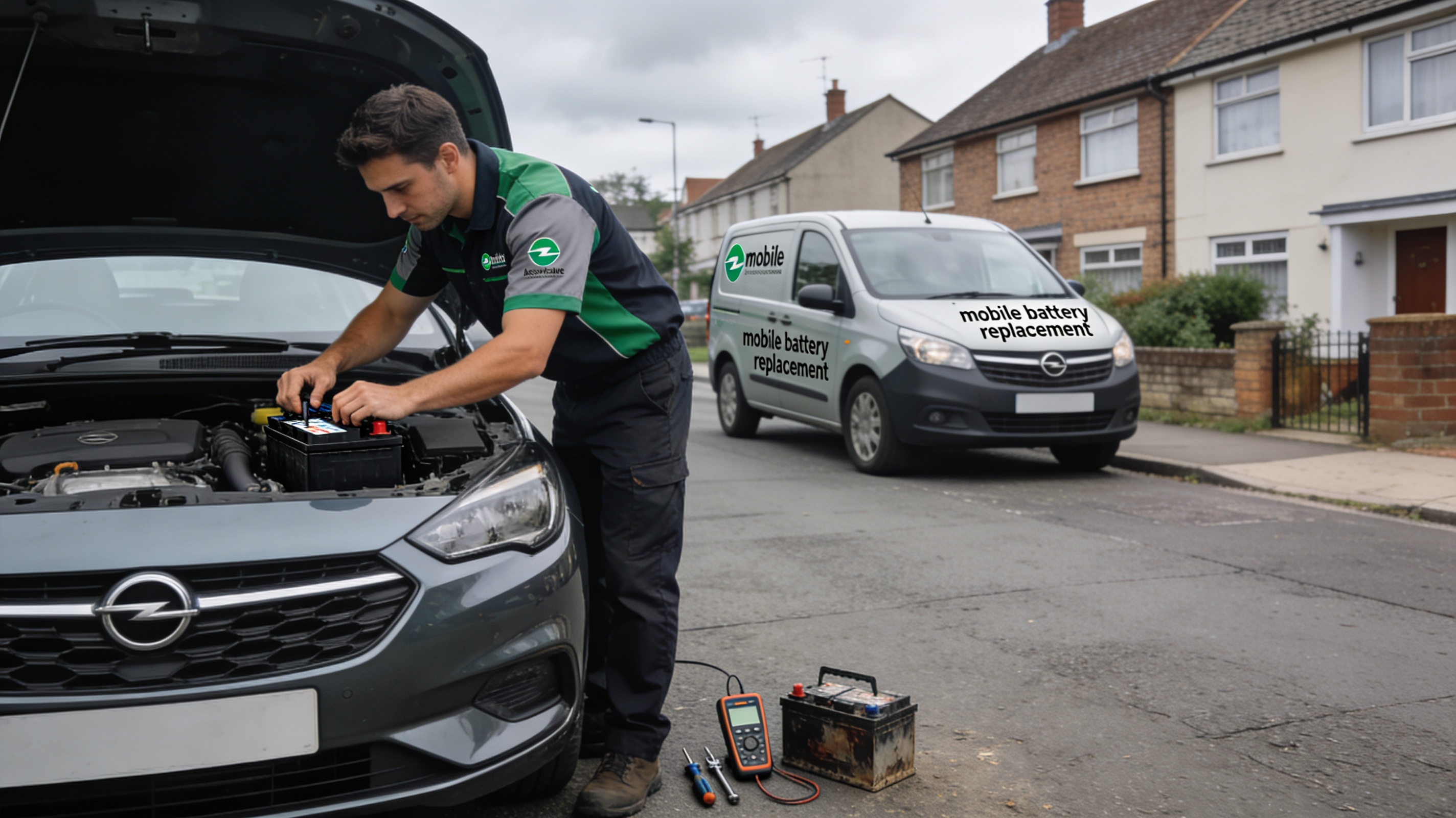
Continuing to drive with a charging fault risks being stranded in risky or inconvenient places. A roadside specialist can come to you, carry out on-the-spot testing, and advise whether the vehicle is safe to drive, needs a new battery, or requires recovery for alternator or wiring repairs. This approach tends to be quicker, safer, and cheaper than guessing, repeatedly jump starting, or driving until the car dies.