Jump Start vs Battery Replacement: Which Do You Actually Need?
Jump Start or New Battery? How to Choose (Fast)
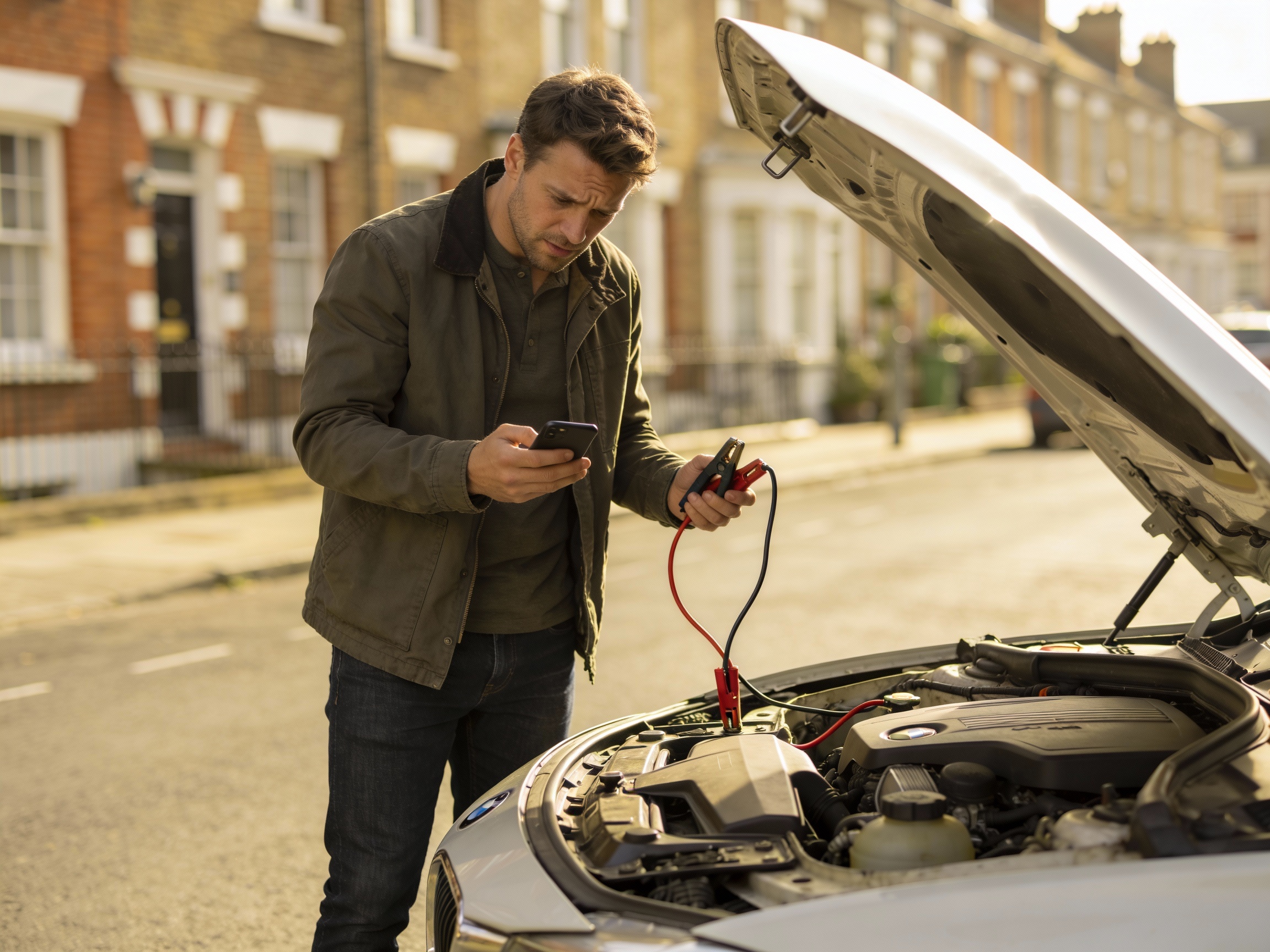
Your car won’t start and you need to get moving now. The right choice depends on battery age, what happened right before the failure, and what the car does when you turn the key.
Make the wrong call and you either replace a battery you didn’t need—or you’re stuck again tomorrow because the battery can’t hold a charge.
The 3‑Second Check
Before booking anything, answer these:
1) How old is the battery?
Under 3 years: Often recoverable (jump start + recharge), unless it’s been repeatedly drained or has a defect.
3–5 years: Could go either way—symptoms matter.
5+ years: Replacement is usually the sensible call.
2) What exactly happens when you try to start?
Slow crank then starts: Battery is weak/low, but may recover if it was drained.
Rapid click‑click‑click: Often low battery voltage, but can also be a connection issue.
Absolutely nothing: Could be battery, terminals, starter, immobiliser, or a fuse—needs checking.
3) Was there an obvious drain?
Headlights/interior lights left on, dash cam wired poorly, car left unused for weeks: jump start is often enough.
Everything was normal and it still died: higher chance the battery is failing internally.
When a Jump Start Is Usually Enough
A healthy battery can go flat and still be fine afterward. A jump start is commonly appropriate when:
Something was left on (lights, accessories) or there was a known drain.
First-ever incident on a relatively new battery.
The car sat unused long enough to self-discharge (especially in cold weather).
Please be aware that if the car has sat for a long period it is likely to have sulfation build up on the cells which causes reduction in capacity and damages the battery.
What matters after the jump: if the battery was only discharged, it should behave normally over the next several starts once it’s properly recharged. (That recharge may take longer than a short drive, depending on how flat it was and your driving pattern.)
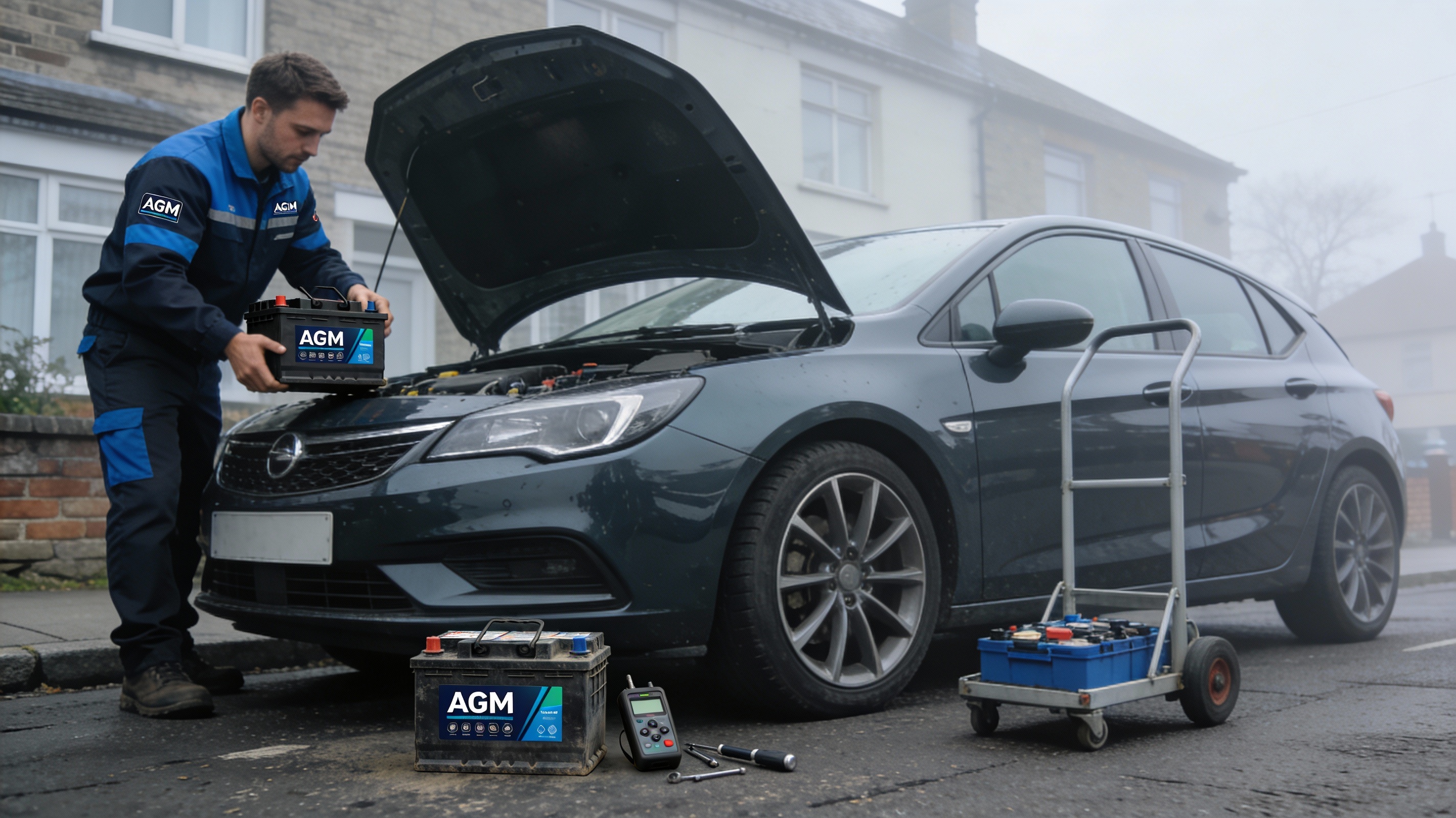
When You Should Replace the Battery
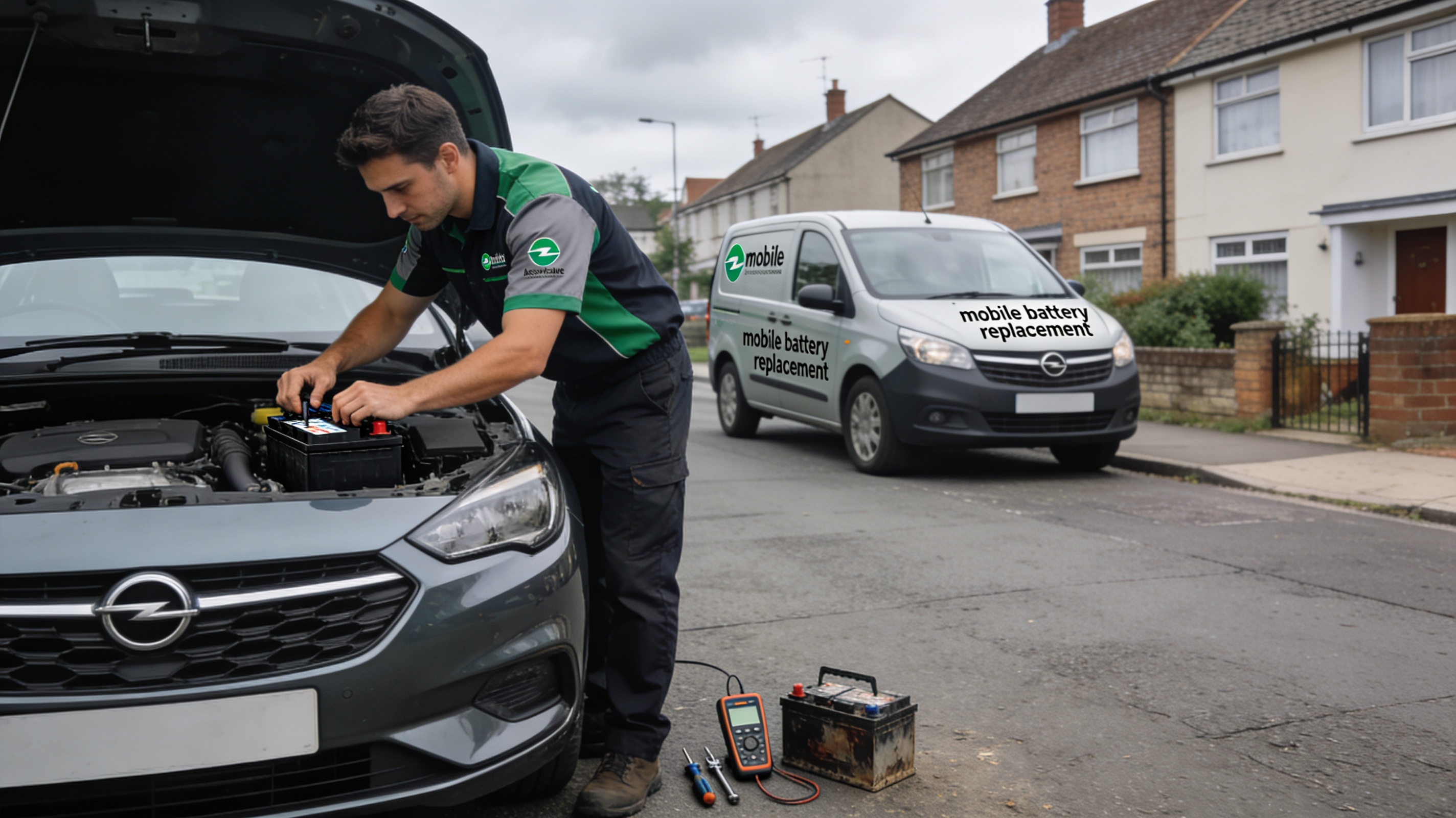
Jump starting is only a temporary “wake up” if the battery can’t hold charge or has internal failure. Replacement is strongly indicated if:
It was jump started recently and is dead again (classic “won’t hold charge” pattern).
Slow crank continues even after it’s been running and driving (suggests high internal resistance / poor capacity).
Battery case is swollen/bulging (do not jump start—this can be unsafe).
You see leaking fluid or cracks in the battery case (urgent replacement).
The battery is simply old (especially 5+ years) and you rely on the car daily.
The car has been sat unused for an excessive period (more than 1-2 months).
The Grey Area (3–5 Years Old)
If the battery is mid‑age and the cause isn’t obvious, the most accurate approach is:
Jump start + proper battery test, then decide.
Practical rule:
If it tests weak and the symptoms match, replace it now (prevents repeat breakdowns).
If it tests healthy and there was a clear drain event, a jump start and recharge is usually enough.
A Simple Decision Tree
Battery under 3 years + first-time issue + obvious drain → Jump start, then recharge and monitor.
Battery 3–5 years + first failure / unclear cause → Jump start + test, then decide.
Battery 4–5 years + slow crank / repeat issues → Replace.
Battery 5+ years → Replace (plan it before it plans you).