Why Your London Fleet Keeps Breaking Down (And How to Fix It Without Buying New Vans)
The Hidden Cost of Fleet Battery Failures in London
7:15 am. Your driver calls: "Van won't start, battery's dead." By the time you arrange recovery, swap drivers and vehicles, and reschedule the job, you've lost £300+ in productive time. And the job that was supposed to happen in Croydon at 8 am? Now it's tomorrow.
This happens weekly to London fleets running 5+ vehicles. But it is preventable.
Why Fleet Vehicles Fail More Often
Your fleet vans and trucks face battery challenges that private cars do not:
Constant Short Journeys: Delivery vans make 15–30 stops per day. Each stop means engine off, restart, and minimal charging time. The alternator never fully recharges the battery, causing progressive drainage over weeks.
Electrical Accessories: Refrigeration units, roof beacons, reversing cameras, dash cams, satnavs, and phone chargers all drain power while the engine is off during deliveries.
Multi-Driver Usage: Private car owners notice when starting gets sluggish. Fleet drivers rotate vehicles, meaning nobody "owns" the problem until the van actually fails.
Parking Patterns: Many London fleets park vehicles on the street or in yards without overnight charging infrastructure. Batteries sit slowly self-discharging between shifts.
The £5,000/Year Hidden Cost
For a small London fleet (5 vans) relying on reactive battery replacement, the costs add up quickly:
Emergency Callouts: 8–12 incidents per year = £600–£900
Lost Productivity: 40 hours (4 hrs/incident × 10) = £1,200 value
Soft Costs: Customer service failures, late deliveries, and driver stress leading to turnover.
Total: Easily exceeds £5,000 per year for a 5-van fleet.
The Alternative: Proactive management costs £650–£900 per year and eliminates 90% of breakdowns.
The Lifecycle Pattern Fleet Managers Miss
Most managers wait too long. Here is the reality of a fleet battery's life:
Months 0–24: Battery healthy, no problems.
Months 24–36: Battery degrading but functional. Warning signs often ignored.
Months 36–42: Failure zone. It might work, it might not. It is a lottery every morning.
Month 42+: Battery fails, usually at the worst possible time.
Smart managers replace at Month 36.
Warning Signs Your Fleet Has a Problem
Individual Signs (Driver Reports):
"Engine took a few tries to start this morning."
"Headlights seem dim."
"Battery warning light came on but went off again."
Fleet-wide Patterns:
Multiple jump starts in a 3-month period across different vehicles.
Vehicles struggling to start after a weekend (2 days stationary).
Repeated issues with the same vehicle age cohort (e.g., all 2019 vans failing).
Why London Fleets Have Shorter Battery Life
Standard battery warranties are 4–5 years, but the reality for London fleet vehicles is 3–4 years maximum.
Congestion: Central London traffic causes constant start-stop cycling.
Load: Diesel vans require higher starting power.
Drain: High usage of electrical accessories.
Usage: Daily use patterns allow no recovery time for the battery.
The Start-Stop "Expensive Mistake"
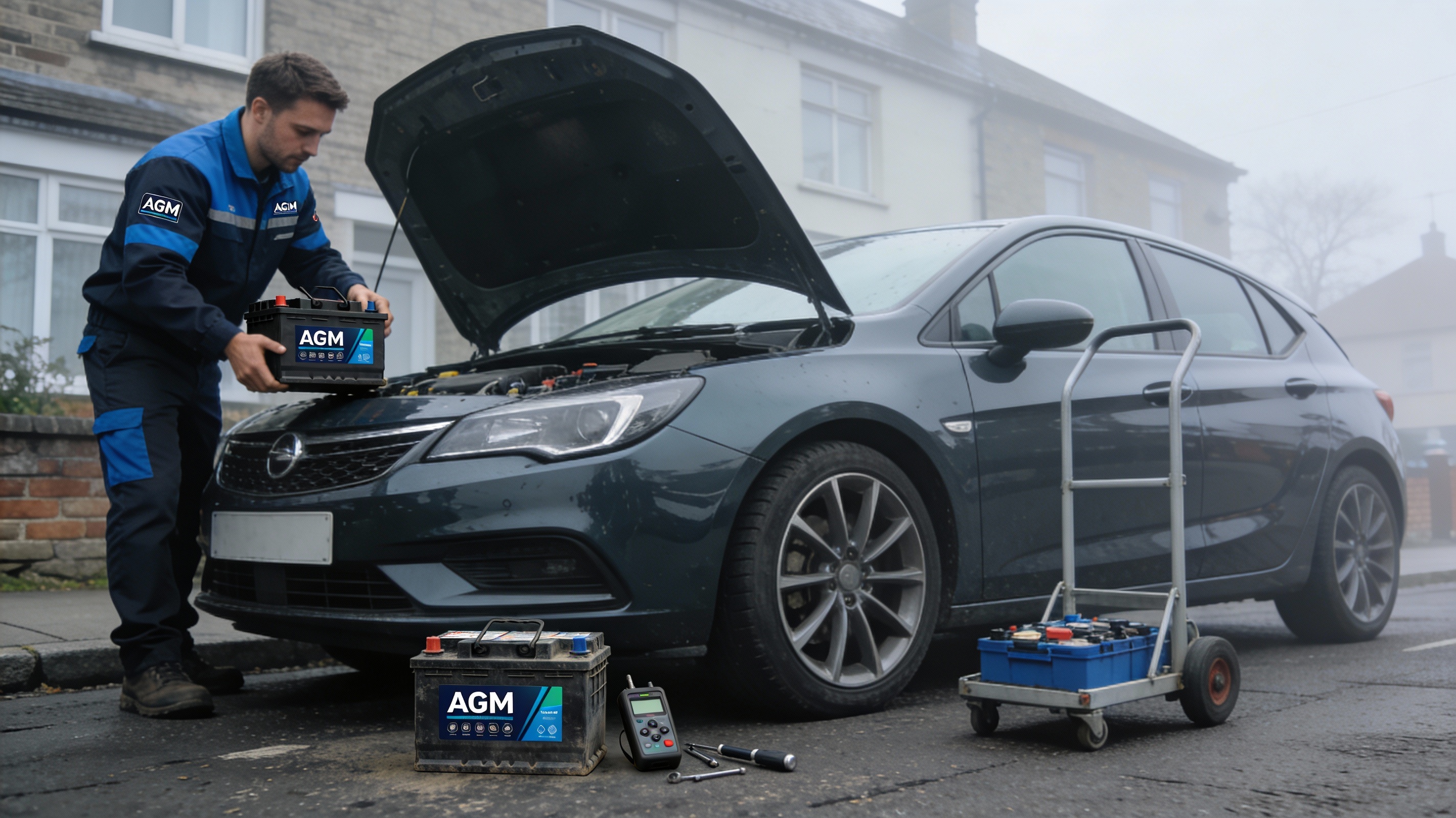
Many new vans (2018+) feature automatic start-stop systems. These REQUIRE EFB (Enhanced Flooded Battery) or AGM (Absorbent Glass Mat) batteries.
If you fit a standard battery to a start-stop vehicle, it will fail within 18 months. An EFB battery costs £40–£60 more but lasts twice as long in these vehicles. Do not buy cheap "compatible" batteries online for modern Transits or Sprinters.
Fleet Battery Management Best Practices
Track Battery Age: Maintain a simple spreadsheet with vehicle registration, fitment date, and expected replacement date (3 years for fleets).
Schedule Replacements: At 2.5 years, test the battery. At 3 years, replace it regardless of the result. Cost control beats emergency pricing.
Volume Pricing: Replace multiple vehicles at once. We offer volume pricing where replacing 3 batteries in one visit is cheaper than 3 separate callouts.
Test Arrivals: Bought a used van? Test and replace the battery before putting it into service rotation.
Keep a Jump Pack: An £80 investment can get a failed van back to the depot, saving a roadside callout fee.
Our Recommendations by Fleet Size
Small Fleets (3–8 vehicles): Annual battery audit. Test all vehicles; replace any over 3 years old or showing <80% capacity.
Medium Fleets (8–20 vehicles): Rolling replacement program. Replace 6–8 batteries per year based on age cohorts to spread costs.
Large Fleets (20+ vehicles): Dedicated fleet account with scheduled maintenance slots and priority emergency service.
Mobile Fleet Battery Service: How It Works
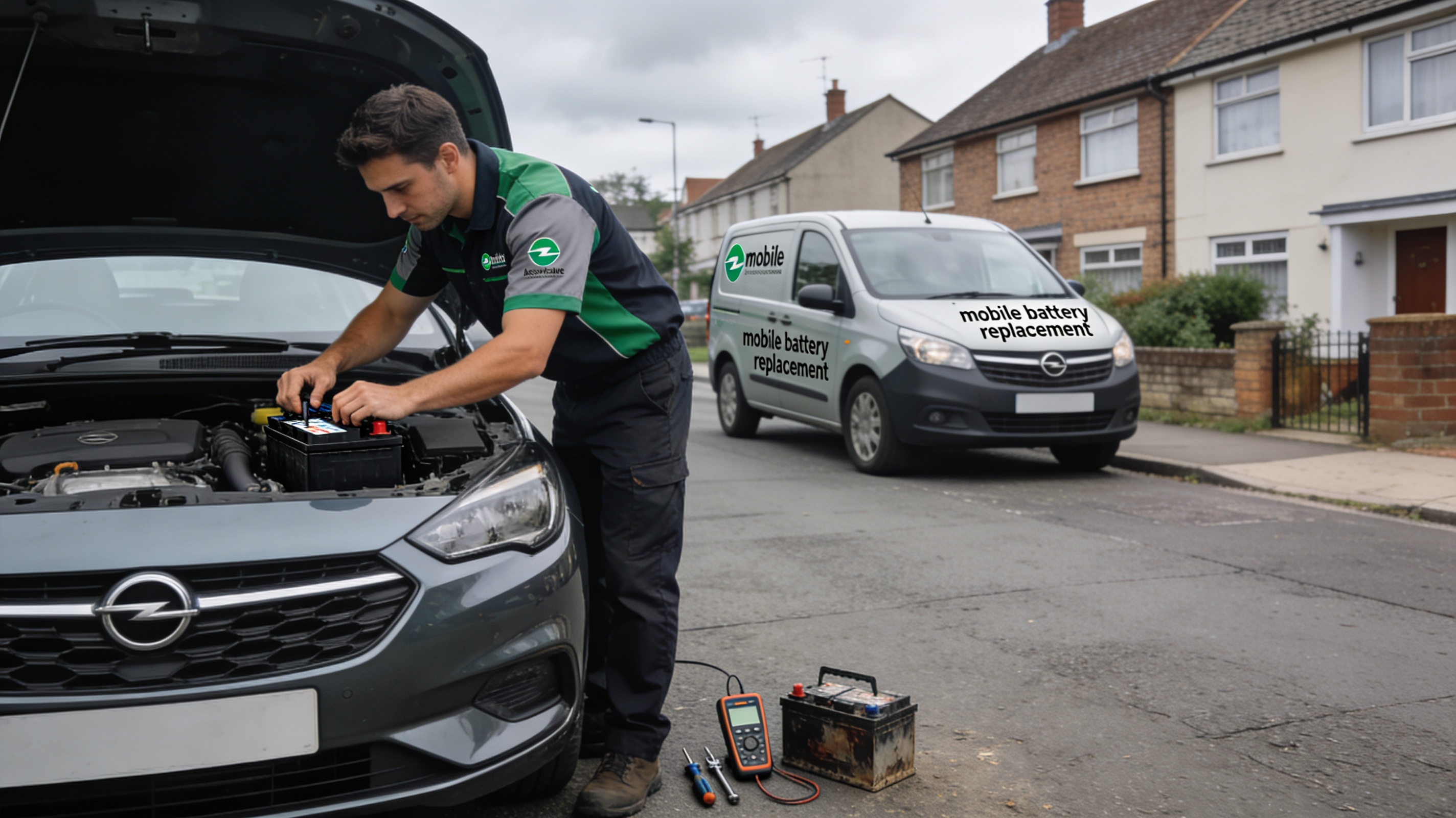
At Your Depot: We come to you. We replace batteries on-site while vehicles are parked overnight or between shifts.
Roadside Emergency: Van broken down in Newham? We dispatch to the location so the driver can continue their route.
Volume Pricing: 3+ batteries in one visit reduces the per-battery cost.
Special Case: Refrigerated Vans
Refrigeration units are aggressive power drains. Fridge vans require:
Higher CCA batteries (we fit 750+ CCA for fridge applications).
Dual battery systems (on specific models).
More frequent replacement (2.5–3 years).
Real Customer ROI (Case Study)
Client: 8-van courier fleet based in Southwark.
Before Proactive Management:
12 emergency callouts/year.
Total Cost (Breakdown + Lost Productivity): £3,700/year
After Proactive Management:
Replaced 8 batteries on schedule (£850).
Reduced emergencies to 2 incidents (£200).
Total Cost: £1,050/year
Annual Saving: £2,650 (250%+ ROI)
How to Implement This Month
Week 1 (Audit): List all vehicles and identify batteries that are 3+ years old.
Week 2 (Test): We offer free testing with bookings. Any battery under 80% capacity goes on the replacement list.
Week 3 (Schedule): Book a depot visit to handle all flagged vehicles in one session.
Week 4 (Track): Record replacement dates and set calendar reminders for 2.5 years in the future.
Fleet Battery Pricing
Single Vehicle Callout: £135–£165 per battery.
Volume Pricing (3+ batteries, same visit):
Standard: £110
EFB (Start-Stop): £140
AGM: £155
Includes fitting and warranty. Old battery removal and recycling is available as an optional add-on.
Ready to stop losing money to preventable breakdowns?
Emergency Breakdown: Call Us — Technician dispatched to any London location, usually within 90 minutes.
Planned Maintenance: Email Us — Send us your vehicle list for a quote.
Free Audit: Available for fleets of all sizes.
Stop reacting. Start managing.