Your Electric Car Has a Battery Problem (And It's Not What You Think)
The 12V Battery Trap: Why Your EV Is Refusing to Start
You bought an electric vehicle to escape engine problems, oil changes, and yes—battery issues. So why is your fully charged EV refusing to start?
The answer lies in a component most owners ignore: the traditional 12V battery.
Almost every electric vehicle—from the Nissan Leaf and BMW i3 to the Tesla Model 3 and Hyundai Kona—relies on a standard lead-acid battery. And ironically, it fails just as often (if not more often) than the one in your old petrol car.
The 12V Battery Nobody Told You About
Your EV’s massive lithium-ion main battery powers the wheels. But it cannot power the small electronics—door locks, dashboard, security systems, and critically, the "contactors" (heavy-duty switches) that connect the main high-voltage battery to the car.
That job belongs to a small 12V battery hidden under the bonnet or boot floor.
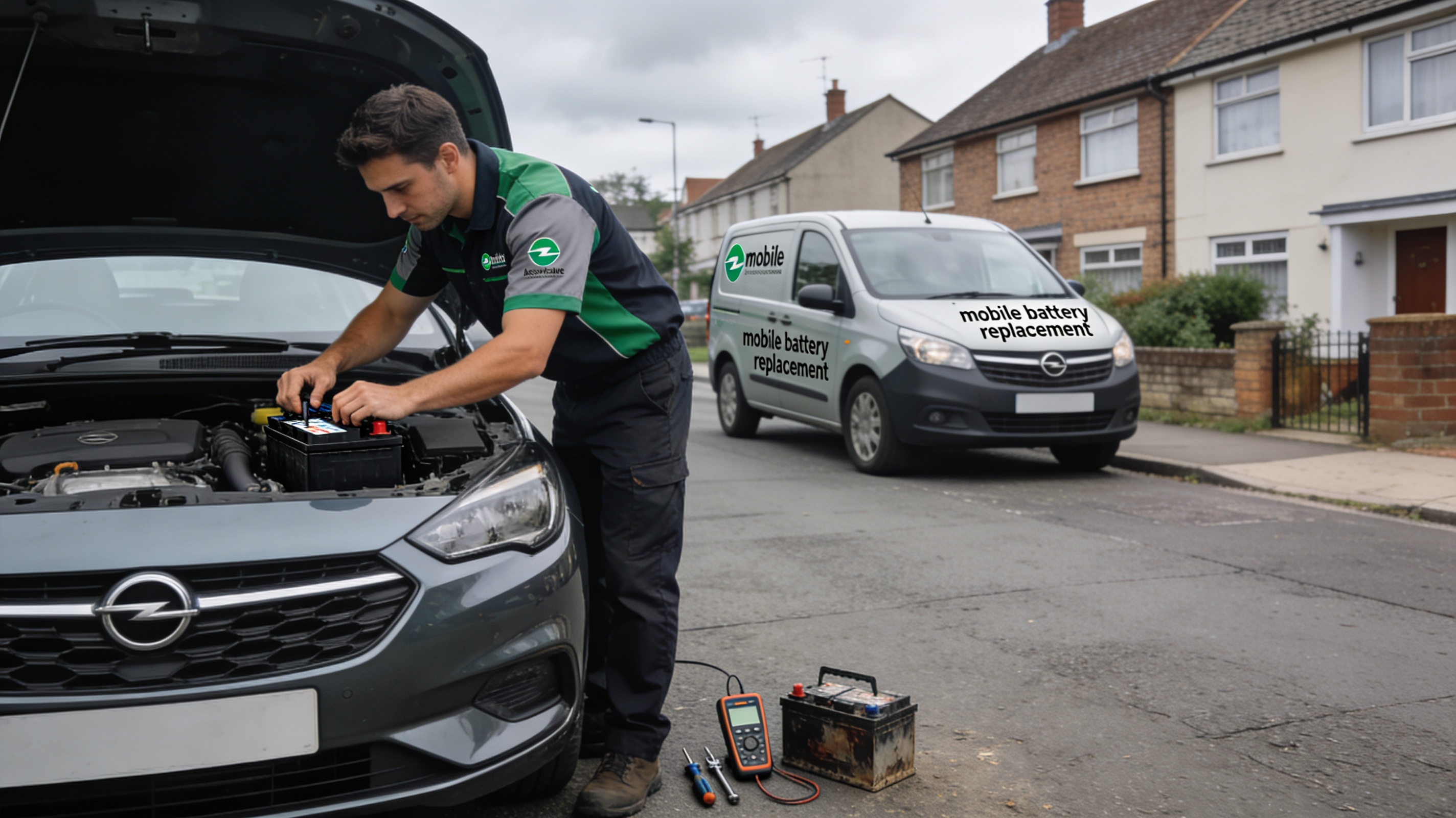
The Reality: When that £100 12V battery dies, your £40,000 EV is as immobile as a 1998 Ford Fiesta. You cannot open the doors, you cannot start the screen, and you cannot drive.
Why EV 12V Batteries Fail Faster
Conventional car batteries get blasted with charge from an alternator every time you drive. EVs are different, and that difference creates unique failure modes:
Vampire Drain: EVs run systems 24/7—app connectivity, battery temperature management, and security (like Sentry Mode). Your car is never truly "off." Park it for 2 weeks, and these systems can drain the small 12V battery completely.
No Alternator: Your EV relies on a DC-DC converter to "trickle charge" the 12V battery from the main high-voltage pack. This is a slower, gentler process than an alternator. Short trips around London often don't provide enough time to fully replenish the energy used to start the systems.
Smaller Capacity: To save weight, manufacturers often fit smaller 12V batteries. A Tesla Model 3 lead-acid battery has roughly 50% less capacity than a comparable BMW 3 Series diesel battery. Less capacity means less tolerance for drain.
Symptoms Your EV’s 12V Battery Is Failing
Unlike the main battery (which gives you precise percentage warnings), the 12V battery usually fails silently. Watch for these subtle signs:
Car is unresponsive: Door handles won't extend (Tesla) or doors won't unlock with the fob.
"12V Battery Service Required": A specific warning message on the dash (common in Teslas and BMWs).
Weird glitches: Windows moving slowly, boot latch sticking, or alarm going off randomly.
Clicking noise: A repetitive "click-click" when trying to start (this is the contactors trying and failing to close).
Charge port stuck: The port won't open or release the cable.
The Frustration: Your app might show the main battery has 85% charge, but you can't access a single mile of it because the 12V system is dead.
Jump Starting an Electric Vehicle
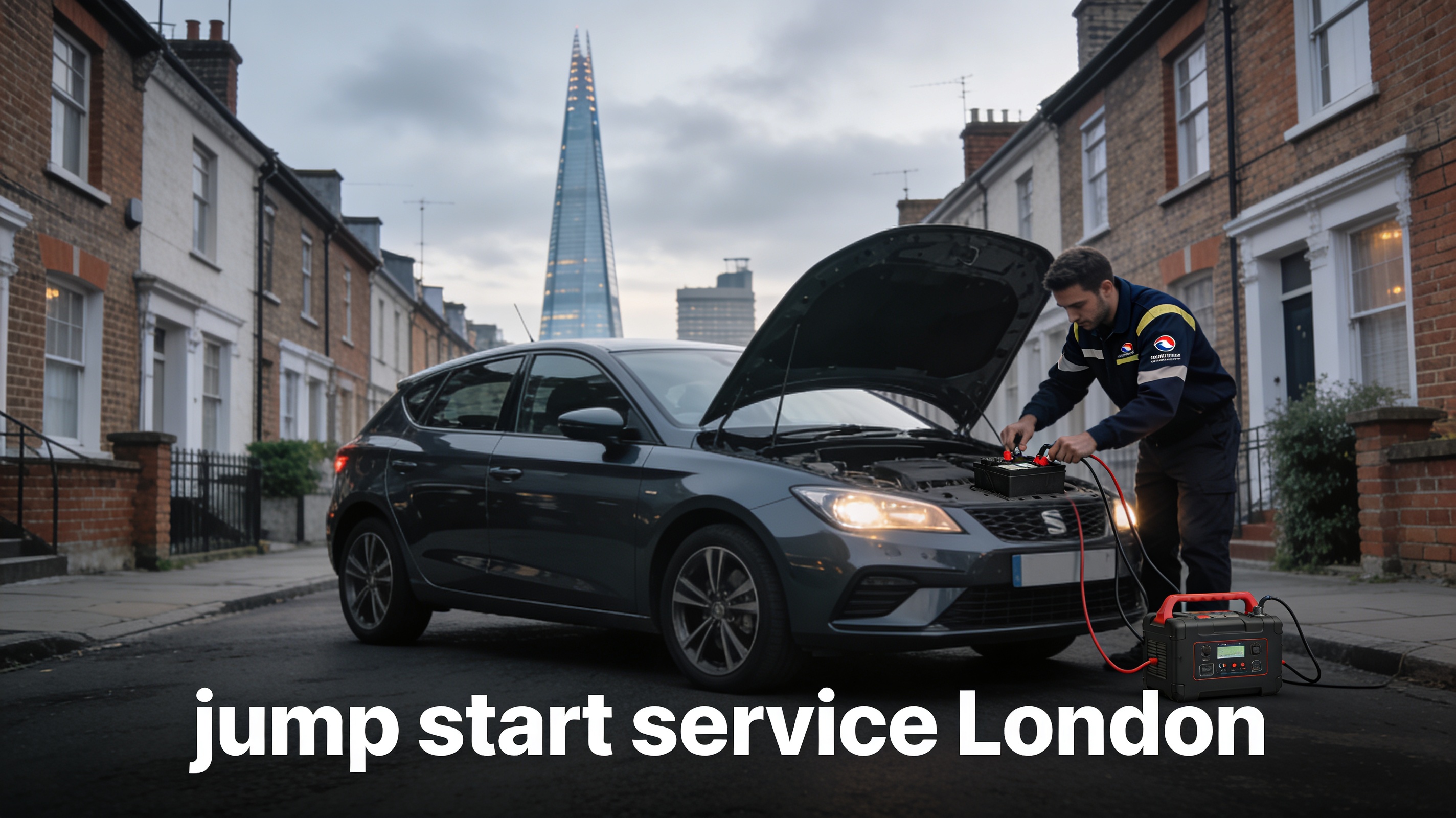
Yes, you can jump start an EV to get it going. But the process is strictly defined:
WARNING: Never use another EV to provide the jump.
Connecting your EV’s 12V system to another EV’s 12V system can damage the sensitive DC-DC converters in both cars. Always use a specialist booster pack with controlled power output. Any spike in current can cause damage to onboard systems.
Common Locations:
Tesla Model 3/Y: Behind a plastic tow-eye cover in the front bumper (to open the bonnet) + under the air intake panel (to jump the car).
Nissan Leaf: Standard location under the bonnet.
BMW i3: Hidden in the "frunk" (front trunk) under a velcro panel.
Hyundai Kona: Standard under-bonnet location.
Our technicians are trained on these specific access points to jump start you safely without risking warranty or electronics.
Which EVs Need Special Batteries?
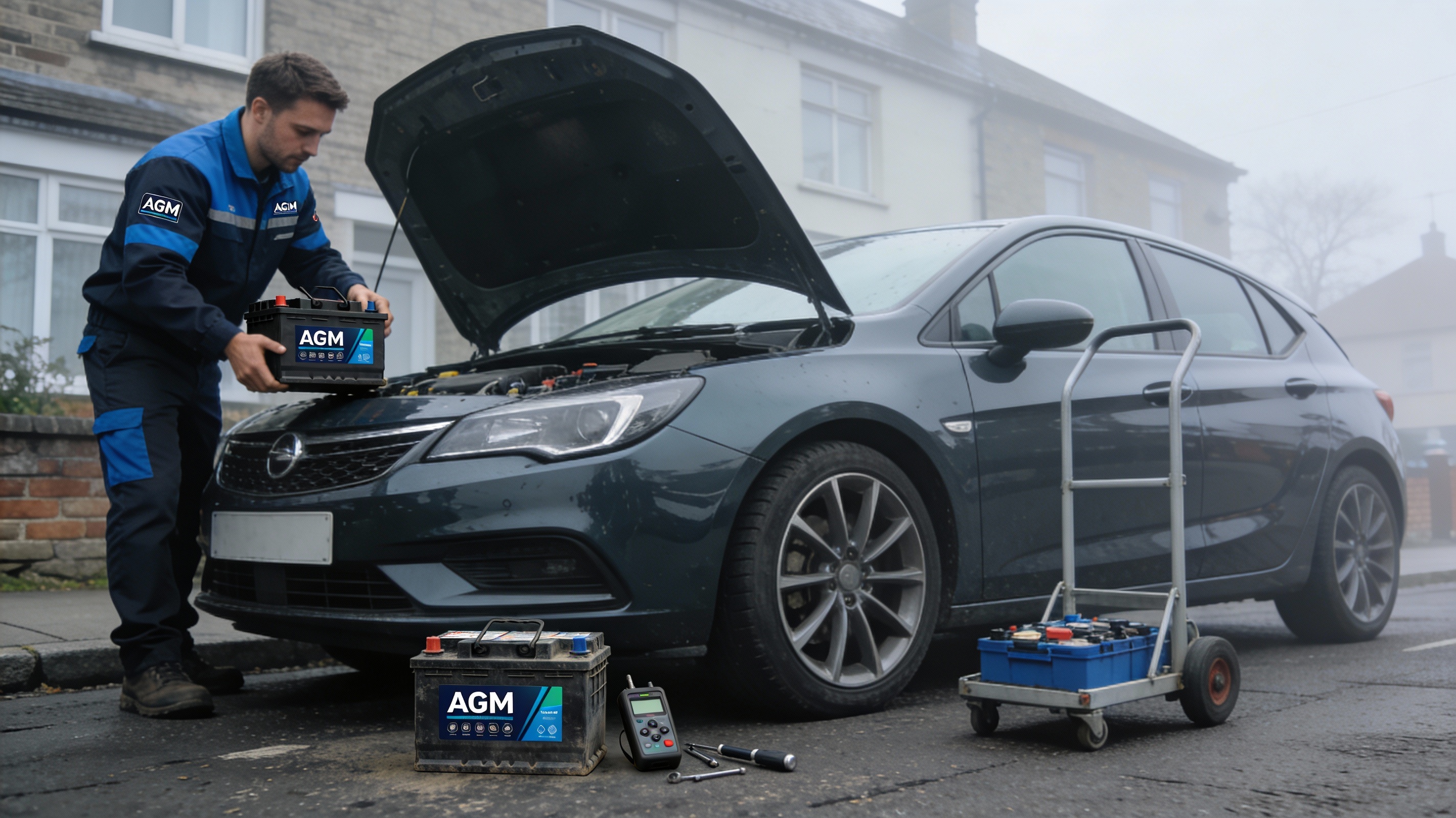
You cannot just fit any battery. Many EVs require AGM (Absorbent Glass Mat) batteries, which handle the constant deep discharge cycles better than standard flooded batteries.
AGM Required: Tesla Model S/3/X/Y (pre-2022 lead-acid models), BMW i3/i4, Mercedes EQC, Audi e-tron.
Standard Lead-Acid Acceptable: Older Nissan Leafs, Renault Zoe, some Hyundai Ioniq models.
Note: Newer Teslas (late 2021+) use a 16V Lithium-ion low-voltage battery. These last longer and generally require specialist Tesla service if they fail. We can verify your battery type instantly using your registration.
Common EV Myths (Debunked)
Myth: "The main battery charges the 12V, so it can't go flat."
Fact: False. In many EVs, the DC-DC converter only charges the 12V battery when the car is "on" or charging. If you park unplugged for 3 weeks, the 12V battery drains without being topped up.
Myth: "EVs don't need jump starts because they don't have engines."
Fact: False. You still need 12V power to "boot up" the computer and close the high-voltage contactors. No 12V = no start.
Myth: "I'll get a warning before it dies."
Fact: Often false. While some cars display a warning, many owners report the car simply being dead one morning.
Winter + EV + London = The Perfect Storm
London EV drivers face a specific set of risks in January and February:
Cold: Low temps reduce lead-acid battery capacity by 30–40%.
Short Journeys: Urban driving doesn't allow enough time for the DC-DC converter to top up the battery.
High Drain: Heating, seats, and lights run constantly.
Underground Parking: Cold, concrete basements keep batteries chilled, slowing chemical recovery.
Preventive Maintenance: The 3-Year Rule
While your main EV battery might last 10–15 years, the 12V battery is a consumable item with a 3–5 year lifespan.
Check your 12V battery if:
Your EV is 3+ years old.
You see any low voltage warning.
The car is sluggish to wake up.
The vehicle has been sitting unused for 2+ weeks.
Stuck right now?
Scenario 1: Completely Dead (Locked Out)
Use the mechanical key (hidden inside your fob) to open the door. Check your manual for the emergency release. Once inside, pop the bonnet to access the jump terminals.
Scenario 2: Doors Open, Won't Start
This is a classic 12V failure. A jump start will get you moving, but if the battery is old, it will happen again tomorrow. Replace it.
Book Your EV Battery Service
We cover all major electric and hybrid models in London, including Tesla, Nissan, BMW, Audi, and Hyundai.
Enter your registration for an instant quote
Honest advice. Fair pricing. Same-day service across Greater London.