Do I Need a Bigger Car Battery? Myths, Risks & When an Upgrade Makes Sense
Understanding Car Battery Size and Capacity
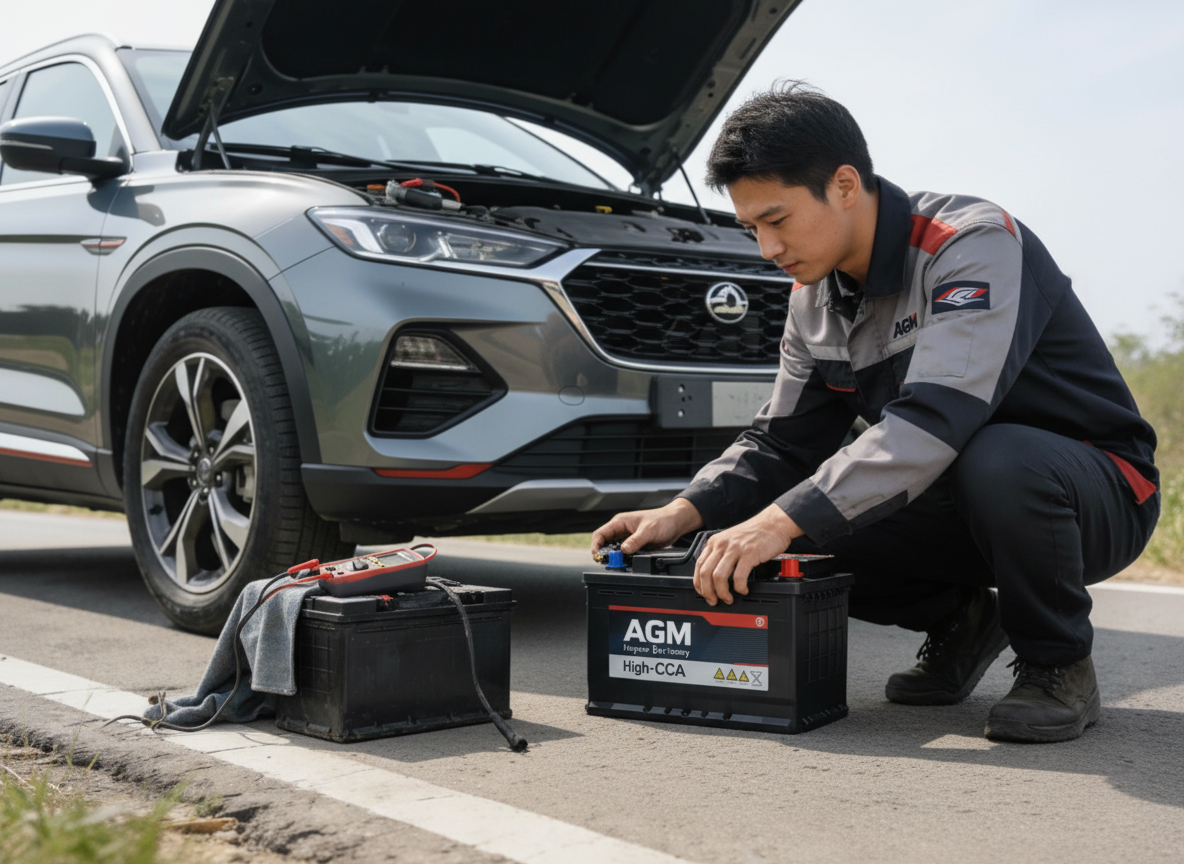
Many drivers assume “bigger is better” when it comes to car batteries, but that is not always true. Battery size involves both physical dimensions (will it fit the tray and clamps?) and electrical capacity, measured in amp-hours (Ah) and cold cranking amps (CCA). Fitting the wrong size or type can cause electrical issues, poor charging, or even damage to sensitive control modules in modern vehicles.
Myths About “Upgrading” to a Bigger Battery
There are several common myths around upgrading car batteries. One myth is that a higher CCA battery will automatically make the car start better and last longer; in reality, once CCA exceeds what the starter and cables are designed for, you see little benefit. Another myth is that doubling capacity is always safe, but charging systems and battery management modules are calibrated for a specific range, and oversizing can lead to chronic undercharging and sulphation.
When a Larger Battery Is Actually Helpful
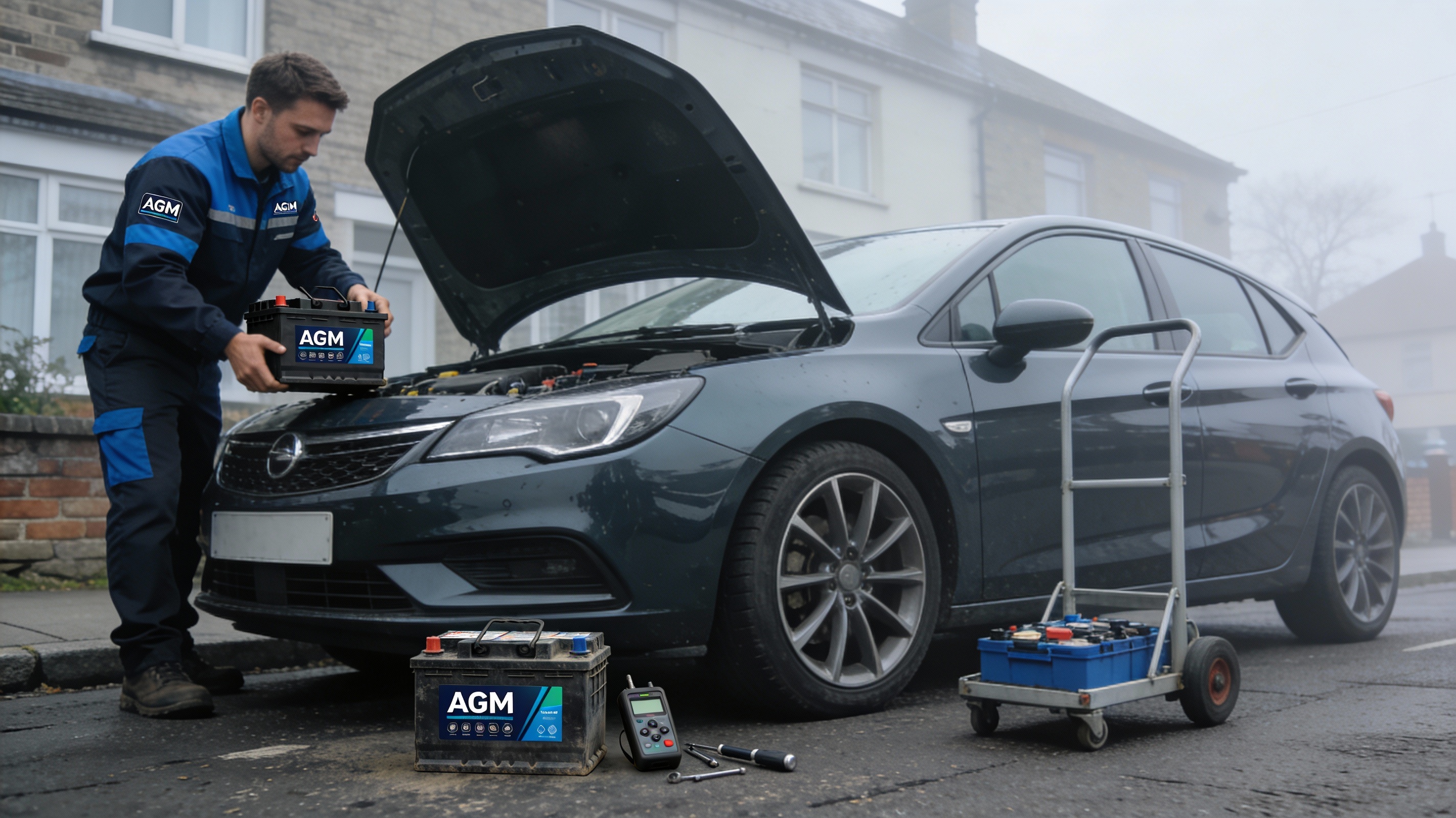
There are situations where a modest capacity increase can be sensible. Vehicles regularly used with extra electrical loads—such as winches, fridges, auxiliary lighting or in-vehicle chargers—may benefit from a slightly higher Ah rating if the charging system and physical space allow it. Cars used for lots of short journeys or idling with high electrical demand can also gain a little headroom from a carefully matched upgrade, particularly when moving to a higher-spec technology like AGM where appropriate.
Why Battery Type Matters as Much as Size
On many modern cars, especially with Start-Stop or smart charging, the battery technology (AGM, EFB, or conventional flooded) is more important than simply going bigger. These systems are designed to work with a specific battery type and charge profile. Fitting a larger but incorrect technology—for example, a standard flooded battery where an EFB or AGM is required—will usually shorten life, disable Start-Stop, and can cause repeated flat battery episodes.
Charging System Limits and Battery Management
Your alternator and battery management system are tuned to a certain charging current and voltage window. Oversizing the battery too far means the alternator may struggle to fully recharge it, especially if the car mainly does short runs. On vehicles with battery monitoring (IBS/BMS), changing capacity or technology without telling the control unit (via coding/registration done by professionals) can lead to overcharging, undercharging, or constant warning lights.
When to Stick to OEM Spec vs. When to Upgrade
As a rule of thumb, sticking close to the original equipment specification is safest for most drivers. A small step up in Ah or CCA within the same physical size and correct technology is usually fine when recommended by a specialist. Bigger jumps, or switching technology (for example, from flooded to AGM), should always be assessed against the car’s electrical system, usage pattern, and whether coding is required.
How a Professional Chooses the Right Battery
A professional won’t just look at what “fits.” The process typically includes checking the manufacturer’s spec, your vehicle’s equipment level and Start-Stop status, measuring the old battery’s performance, and considering how you actually use the car (daily motorway, short city trips, long periods parked, extra accessories, etc.). Based on that, the correct type, capacity, and, where appropriate, a safe upgrade path are chosen and, on modern cars, electronically registered to the vehicle.
Warning Signs You’ve Gone Too Big or Too Cheap
If a recently “upgraded” battery still keeps going flat, throws up dash warnings, disables Start-Stop, or never seems to show a healthy voltage, it may not be correctly matched to the car. Likewise, a very cheap battery with artificially high printed numbers can perform worse than a correctly specified premium unit. Any repeated non-starts, warning lights, or strange electrical behaviour after a battery change are a sign to have the battery and charging system professionally tested.