Why London's Cold Weather Kills Car Batteries (And What You Can Do About It)
2°C and Silence: Why London Batteries Die in Winter
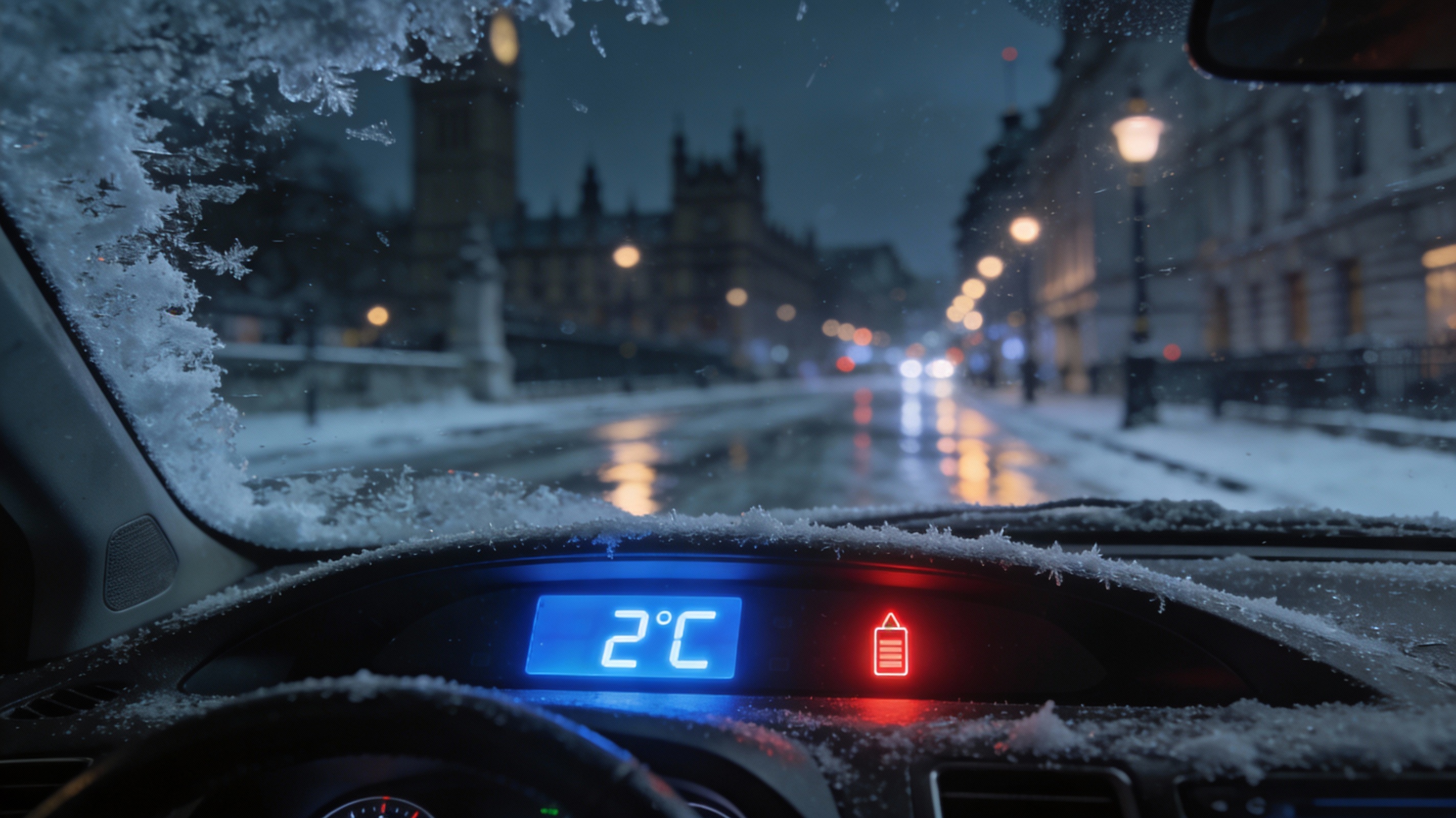
It’s Monday morning. It’s 2°C. You turn the key and hear nothing but a click.
If this sounds familiar, you’re not alone. Winter battery failures spike significantly across London every year between November and February. In fact, battery failure is the single most common cause of winter breakdowns in the UK.
But it’s not just the cold that’s the problem—it’s how we drive.
Why Cold Weather Destroys Car Batteries
Your car battery faces a "triple threat" in winter that makes it far more likely to fail than at any other time of year.
1. Chemical Reactions Slow Down
Batteries run on chemistry, and cold slows that chemistry down. At 0°C, a fully charged battery loses roughly 35% of its cranking power. By -18°C, that loss can hit 60%. You have less power available just when you need it most.
2. Engine Oil Thickens
Cold oil becomes viscous (thick) like treacle. This means your engine is physically harder to turn over, demanding more power from the battery at the exact moment the battery has less to give.
3. Short Journeys Don't Recharge
The average London commute is short—often just a few miles. In winter, you’re running headlights, heaters, heated seats, and wipers. On these short trips, the alternator is barely covering the electrical load, let alone recharging the energy used to start the engine. The result? The battery slowly drains, day by day, until it can’t start the car.
The Warning Signs You’re About to Get Stuck
Batteries rarely die without giving a hint first. Watch for these signs:
Slow Crank: The engine sounds sluggish or "lazy" when turning over, especially on the first start of the day.
Dim Lights: Headlights dim noticeably when you stop at traffic lights or idle.
Flickering Warning Light: The red battery icon on the dashboard flickers on cold mornings.
Two Attempts: If you need to turn the key twice to get it going, the battery is on its last legs.
Lazy Accessories: Windows move slower than usual, or the radio takes longer to boot up.
Most failures happen between 6 am and 9 am on the coldest morning of the week (typically Monday). Don't wait for that moment.
London-Specific Battery Killers
Beyond the temperature, London driving conditions are brutal on batteries:
Stop-Start Traffic: Constant idling and restarting drains power faster than steady motorway driving. A battery in London traffic cycles far more often than one used for long-distance commuting.
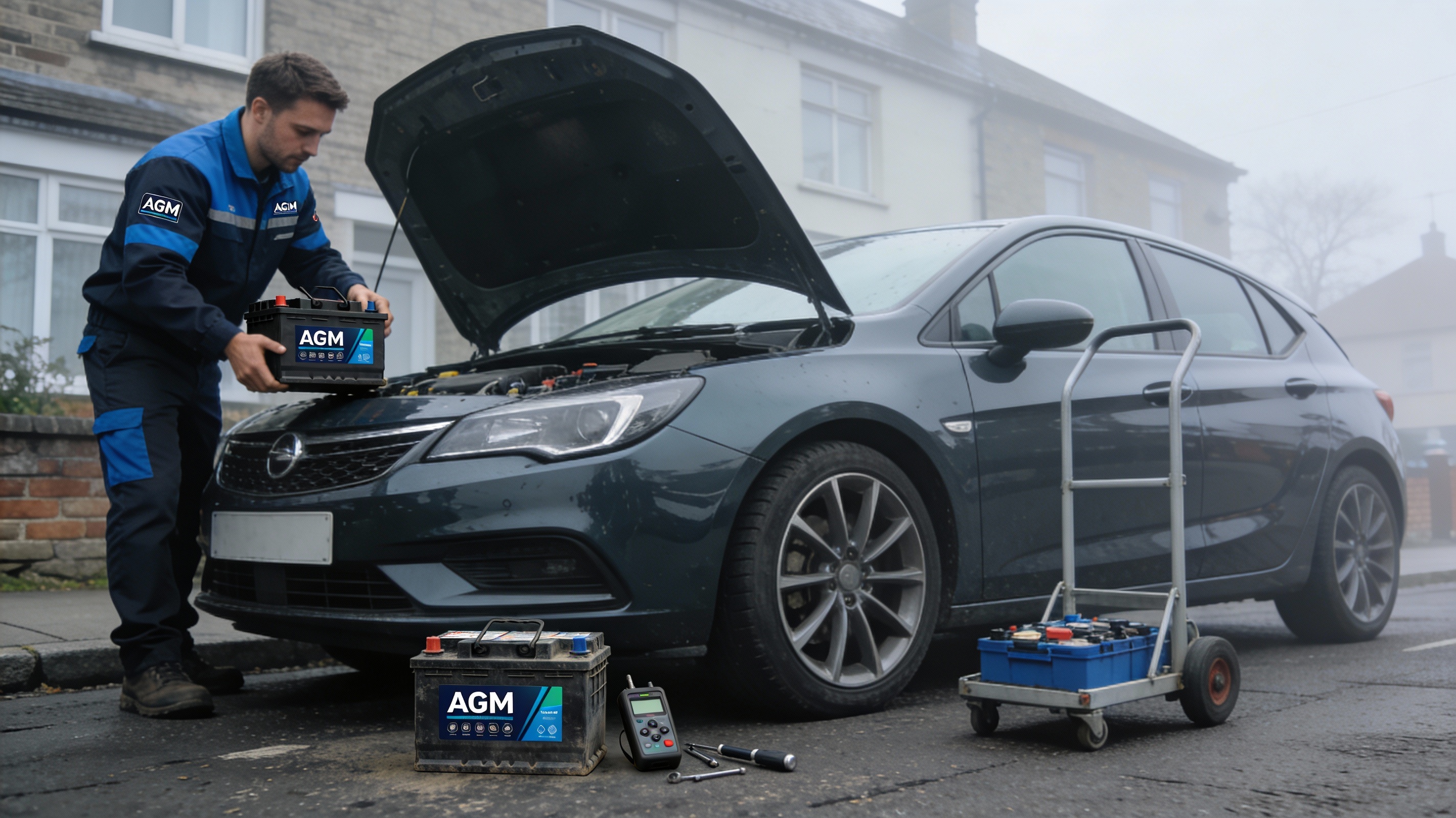
Start-Stop Systems: Cars built after 2017 with automatic start-stop technology require AGM or EFB batteries. If a previous owner fitted a cheaper standard battery, it will likely fail within 18 months in city traffic.
Underground Parking: While sheltered from rain, underground concrete car parks can stay fiercely cold, meaning the battery never gets the benefit of morning sun to warm up.
What You Can Do Right Now
This Week:
Take a longer drive: A 20-30 minute continuous drive (ideally not in stop-start traffic) helps the alternator restore charge.
Clean terminals: If you see white or blue crusty deposits on the battery posts, clean them off—they increase resistance.
Check age: Most batteries last 4–5 years. If yours is older, you are in the danger zone.
This Month:
Get a health check: Most garages can test your battery in 5 minutes. If it has less than 75% capacity and is over 3 years old, replace it before the first freeze.
Right Now (If You're Stuck):
Stop trying: If it won't start after 2-3 attempts, stop. continuously turning the key will drain the last dregs of power and can damage the starter motor.
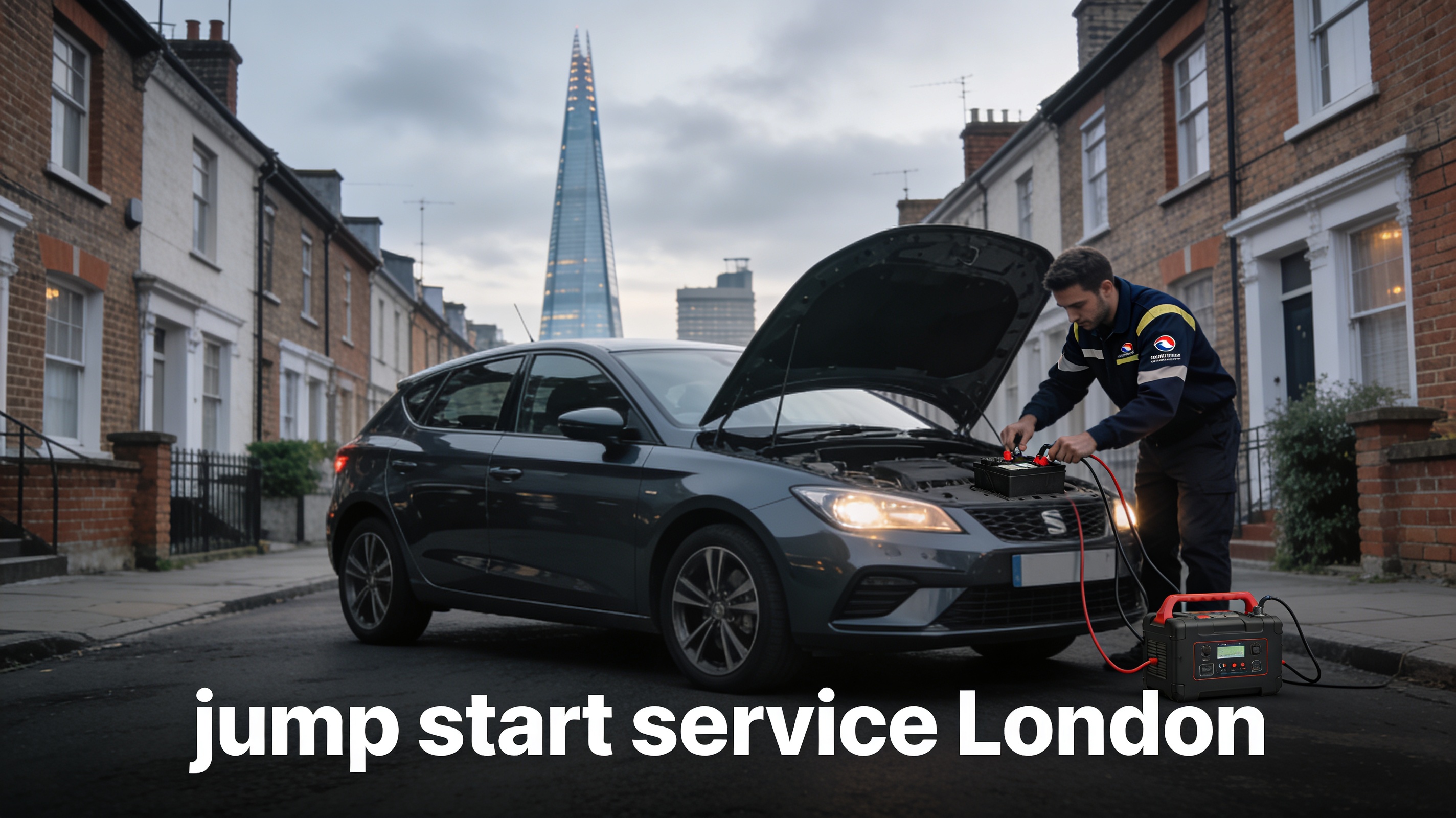
Jump start? It works to get you moving, but remember: if the battery is frozen or internally damaged, a jump start is only a temporary fix.
Jump Start or New Battery? How to Tell
Flat overnight with nothing left on? The battery is likely failing internally (can't hold a charge). Jump starting will get you home, but it will be dead again tomorrow.
Slow crank after a freezing night? The battery might just be cold and discharged. A jump start plus a long drive might save it.
Need a definitive answer? Our mobile technicians carry diagnostic testers. We can tell you instantly if the battery is dead (needs replacing) or just discharged (needs a jump start).
Why Replace Before Winter Hits?
Battery prices don't change seasonally, but the "distress cost" does. Replacing a battery in October on your driveway is calm and planned. Replacing it in January when you’re late for a meeting, freezing cold, and waiting for a rescue van is stressful and disruptive.
Our Recommendation for London Drivers:
Standard Batteries: Replace every 4–5 years.
Start-Stop (AGM/EFB): Replace every 3–4 years.
Get Moving Again in 60 Minutes
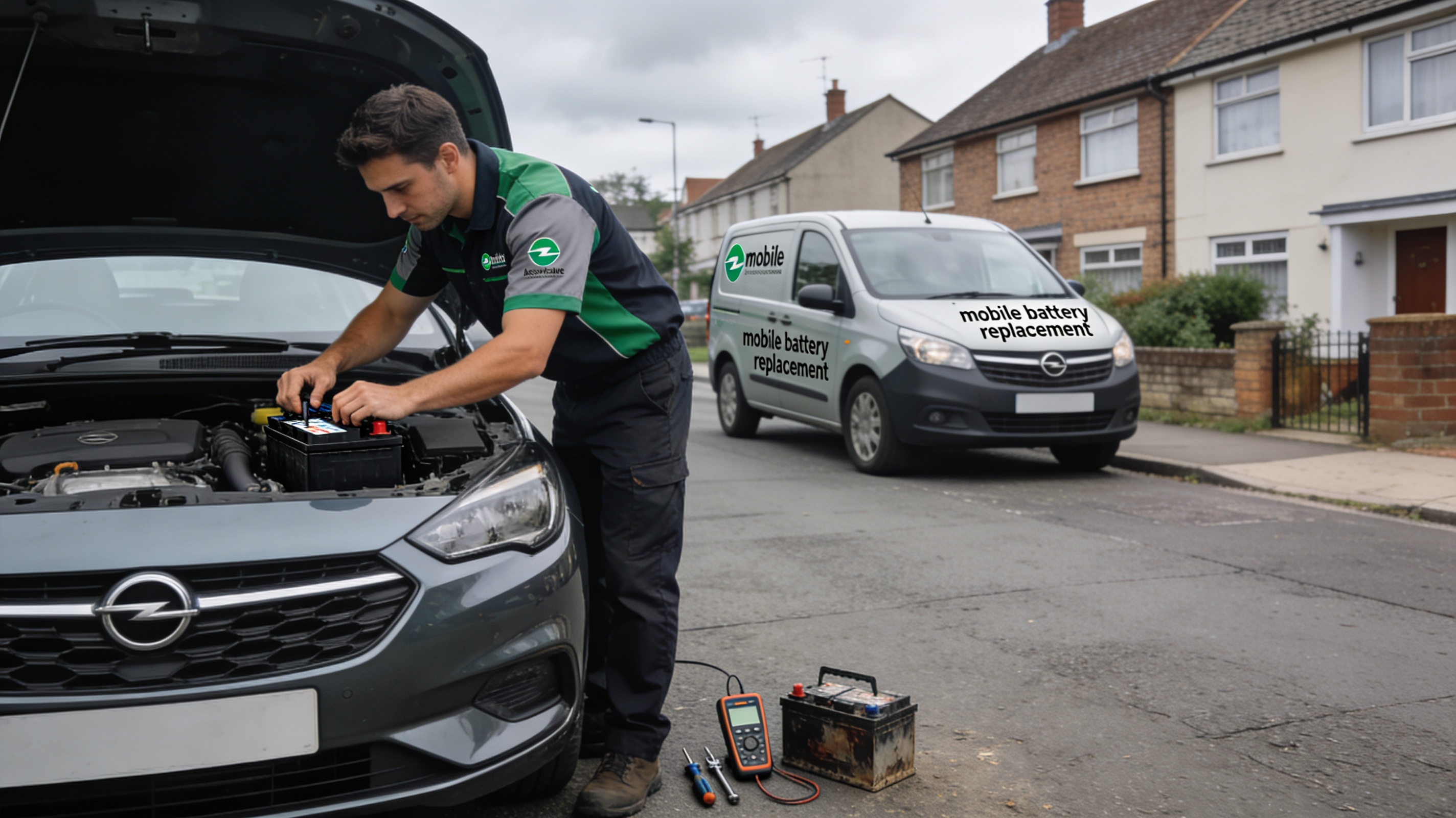
Dead battery this morning? We come to you—home, work, or roadside across London.
Book a battery replacement online
Don’t let the first frost leave you stranded.