Start-Stop Not Working? Battery, Coding & Charging System Explained
What is Start-Stop Technology and Why It Matters
Start-Stop (also called auto-stop/start or idle-stop) automatically shuts off your engine when you're stationary in traffic, then restarts it when you release the brake or touch the accelerator. Found in over 80% of new cars sold today, it cuts fuel use by 5-15% and reduces emissions.
When it stops working, you'll see no "A" symbol, a flashing warning, or the engine refusing to shut down at lights. Most owners blame the battery—but it's rarely that simple.
The #1 Cause: Wrong Battery Type for Start-Stop Cars
Start-Stop demands deep-cycle batteries that handle hundreds of restarts daily. Standard flooded batteries fail fast (weeks/months), triggering disablement to protect the starter.
Start-Stop needs:
EFB (basic systems): Twice the cycle life of flooded.
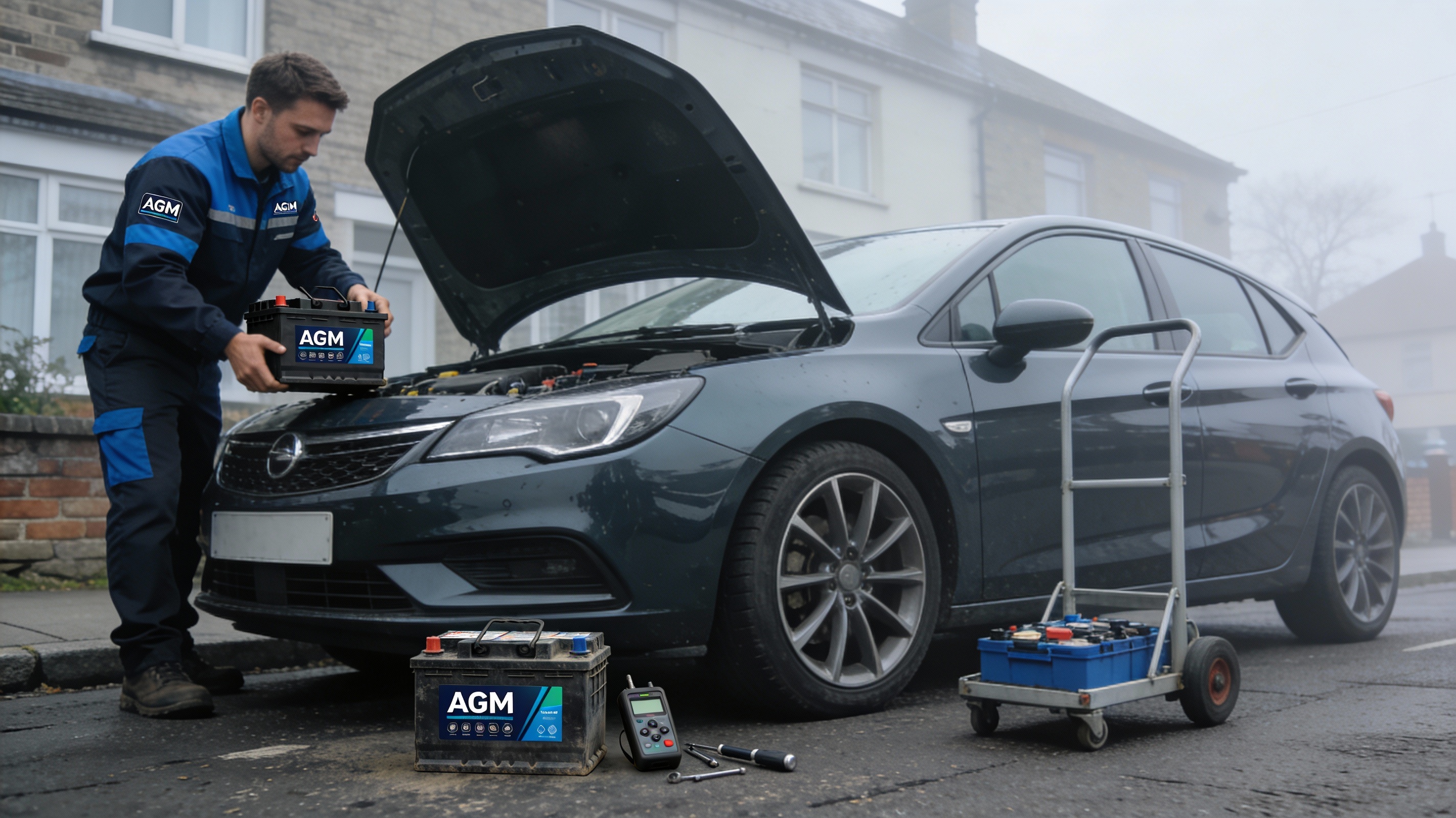
AGM (advanced regen braking): 3x cycles, vibration-proof.
Upgrade symptoms: Warning lights, no auto-stop. Solution: Correct battery + registration. Ties to our AGM/EFB guide.
Battery Registration/Coding: The Hidden Start-Stop Killer
Modern Start-Stop cars track battery health via BMS/ECU. After replacement without coding, the system detects "mismatch" and disables the feature to prevent damage.
Common after DIY swaps:
Persistent battery warning.
Start-Stop message: "Requires service."
Fault codes like P0A08 (battery adaptation needed).
Professional coding syncs specs (Ah, AGM/EFB) via OBD2—restores function instantly.
Weak or Undercharged Battery: Voltage Too Low
Start-Stop needs 12.4V+ minimum. Cold cranking amps drop in weak batteries, so the ECU stays safe-side and disables.
Test: Multimeter shows <12.2V engine off = weak battery. Even "good" batteries undercharge from short trips/parasitic drain (links to prior article).
Faulty Alternator or Charging System Issues
Smart alternators in Start-Stop cars vary output (12-15V) based on battery state. Faulty regulator/diode = unstable voltage, triggering shutdown.
Dashboard clues:
Charging light on while driving.
Voltage swings wildly (13-16V).
Multiple electrical gremlins.
Load test required—DIY voltage checks miss intermittents.
Sensors, Buttons & Software Glitches
Less common but easy fixes:
Hood/brake switch faults: ECU thinks hood open = unsafe to stop.
Manual override button stuck: Some disable permanently.
Software updates needed: Dealer flash clears ghost faults.
Overheating, AC overload, or steep inclines also pause Start-Stop temporarily.
Temperature & Driving Conditions Blocking Auto-Stop
ECU logic prevents restart struggles:
Extreme cold (<0°C): Chemistry slows.
Hot engine/AC heavy load.
Low fuel/brake fluid warnings.
Aggressive driving patterns.
Normal behaviour, not faults—system resumes when conditions improve.
Diagnosing Start-Stop Problems: What Pros Check
Roadside/mobile service sequence:
Battery load test + voltage (health, CCA).
OBD2 scan (fault codes, BMS status).
Charging system test (alternator output under load).
Parasitic drain (<50mA normal).
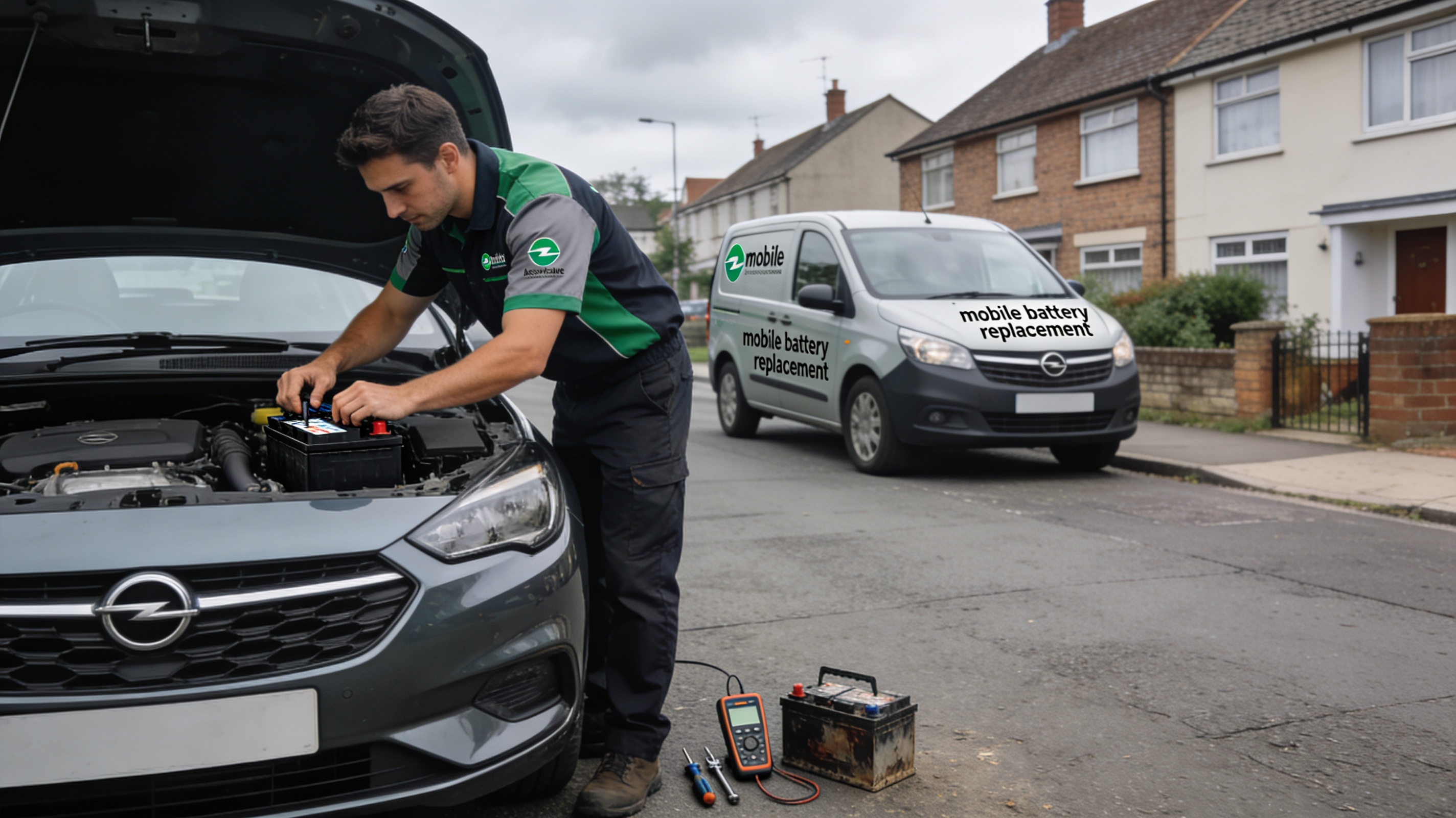
Battery coding if recently replaced.
Sensor checks (hood, clutch, brake).
Complete diagnostic prevents repeat calls.
When Start-Stop Disablement is Permanent
Repeated failures train ECU to stay off. Battery replacement + full reset/coding required. Mobile services handle supply, fit, test, code in one visit.