Why Your Battery Keeps Going Flat and How Roadside Assistance Finds the Real Cause
Repeated flat batteries are frustrating and expensive, especially if they lead to multiple calls for roadside assistance or missed appointments. The good news is that a structured diagnostic process can usually identify the true cause and stop the cycle of jump starts and replacements.
Separating battery wear from charging problems
A battery that is simply old or worn out behaves differently from one that is being starved or overworked by a faulty charging system. Roadside technicians compare open-circuit voltage, load-test results and alternator output under different engine speeds to distinguish between the two.
Where alternator issues are found – such as low voltage, overcharging or ripple – they can advise whether it is safe to drive to a garage or if recovery is the safer option.
Tracking down parasitic drain at the roadside
Parasitic drain occurs when something continues to draw power after the vehicle should be asleep. At the roadside or on your driveway, technicians can connect a multimeter or clamp meter and observe current draw over time, then pull fuses systematically to isolate the offending circuit.
Common culprits include interior lights, aftermarket alarms, incorrectly wired dash cams and control modules that fail to enter sleep mode. Identifying and addressing these faults stops good batteries from being drained repeatedly.
Creating a long-term fix instead of repeated jump starts
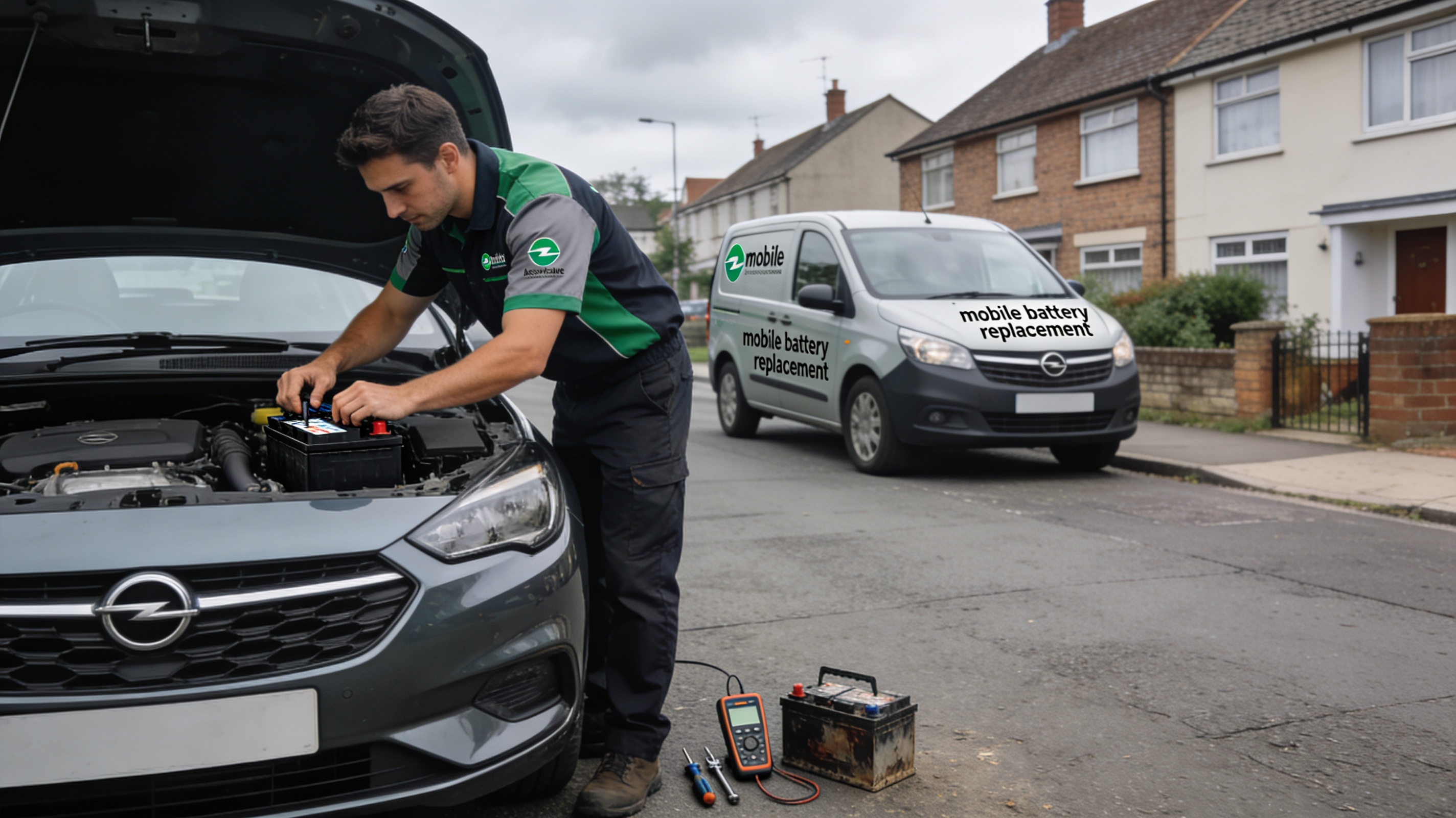
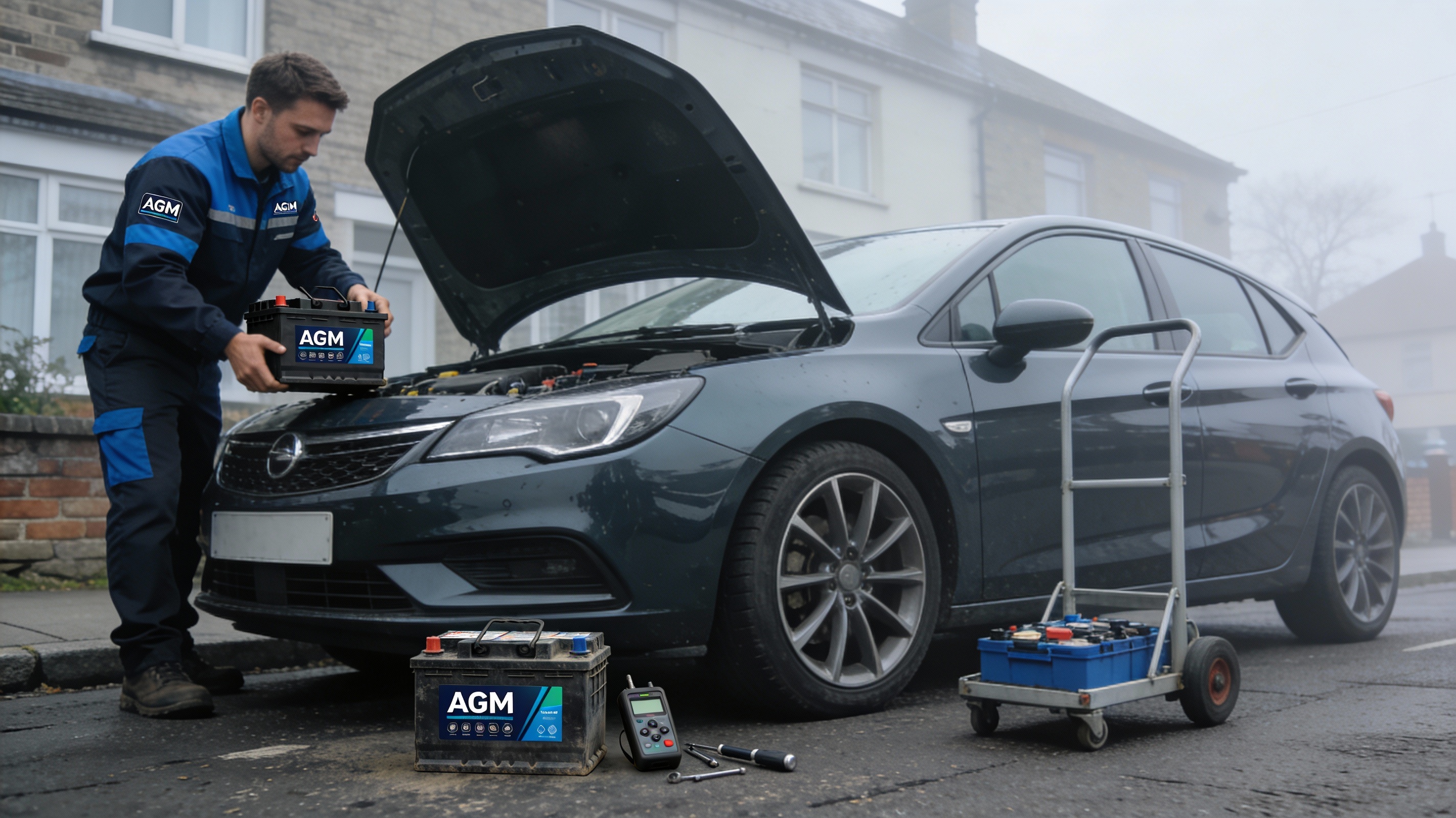
Once the underlying issues are identified, roadside assistance can often provide an immediate solution: fitting a new battery, cleaning poor connections and advising on faulty accessories. For more complex faults, they can give you a clear report to share with an auto electrician or dealer.
This proactive approach helps turn recurring breakdowns into a one-time repair, saving both time and money in the long run.