Why Your Car Battery Keeps Going Flat: Top Causes, Diagnosis & Fixes
The Most Common Reasons Your Battery Keeps Dying
A healthy 12V car battery should hold enough charge to start your vehicle for days or even weeks if everything is working properly. When it keeps going flat, there’s usually an underlying issue rather than “bad luck”.
Some of the most common causes include:
An ageing or worn-out battery that can no longer hold charge.
Electrical items drawing power when the car is switched off (known as parasitic drain).
A faulty alternator or charging system that isn't replenishing the battery as you drive.
Corroded or loose battery terminals causing poor connections.
Short journeys and stop–start use that never gives the alternator time to recharge the battery fully.
Extreme heat or cold speeding up battery wear or making the engine harder to crank.
Understanding which of these applies to you is the first step towards a permanent fix.
Old or Weak Battery: When It's Simply Worn Out
Car batteries have a working life, typically around 3–5 years depending on brand, usage and climate. Over time, a process called sulphation builds up on the internal plates, reducing how much energy the battery can store and how quickly it can deliver current to the starter motor.
You may notice:
Slow cranking when you turn the key or press start.
The engine needing a jump start after the car has been left for a short period.
Swelling of the battery casing or a "rotten egg" smell in severe cases, which indicates internal damage or overcharging.
If the battery is near or beyond its expected lifespan and fails a proper load test, replacement is usually the most cost-effective solution.
Parasitic Drain: Why Your Battery Dies Overnight
If your battery is going flat overnight or within a day or two, even after a good run, parasitic drain is a prime suspect. A small amount of drain is normal from things like the clock, alarm and central locking modules, but a faulty component can draw far more power than it should when the car is "asleep".
Typical culprits include:
Interior, boot or glovebox lights staying on.
Aftermarket stereos, dash cams, trackers or alarm systems wired incorrectly.
Sticking relays or control modules that never fully power down.
Tracking down a parasitic draw properly needs a multimeter or clamp meter and a step-by-step process pulling fuses to find the offending circuit, which is where a professional diagnostic service really pays for itself.
Is It the Battery or the Alternator?
A common question drivers ask is: "Do I need a new battery, or is it the alternator?" Both can cause similar symptoms, but they fail in different ways.
Signs pointing to the battery include:
The engine cranks slowly or clicks once, especially after the vehicle has been standing.
The car starts with a jump, but the problem returns soon after.
Signs pointing to the alternator/charging system include:
Battery or charging light illuminated on the dashboard while driving.
Headlights that brighten and dim with engine speed, or multiple electrical issues at once.
A recently replaced battery that keeps going flat even after long journeys.
A basic charging check is to measure voltage across the battery terminals with the engine running: around 13.5–14.5V usually indicates a healthy alternator, while much lower or higher readings suggest a fault.
Short Journeys, City Driving and Leaving the Car Standing
Modern vehicles draw more background power than ever, and short runs are often not enough to replace the energy used to start the car and run electrical systems. Over time, this leads to a battery that's permanently undercharged and more likely to fail on cold mornings.
As a rough guide, many experts now recommend:
Driving the car at least once a week for around 30 minutes, ideally including some faster roads, to keep the battery topped up.
Using a smart battery maintainer if the vehicle is going to be parked up for long periods.
If you only make very short trips, a higher-spec battery (such as AGM/EFB on vehicles that support them) and occasional longer runs can make a noticeable difference to reliability.
Corroded Terminals, Loose Connections and Poor Earths
Sometimes the problem isn't the battery at all, but the connections. Corrosion (typically white or greenish deposits) on the battery posts, loose clamps, or bad earth straps can all restrict the flow of current.
Symptoms can include:
Intermittent non-starts.
Electrical glitches when you hit bumps.
Visible deposits or damaged terminals when you look under the bonnet.
Careful cleaning with the correct tools and tightening connections can resolve many of these issues, but if the clamps or cables are badly damaged, they will need replacing.
Weather, Storage and How You Use the Car
Batteries are very sensitive to temperature. Extreme cold slows the chemical reactions inside the battery, making it harder to produce the energy needed to crank the engine. Heat, on the other hand, accelerates internal wear and fluid loss, shortening overall battery life.
To help your battery last longer:
Avoid leaving the car with the battery partially discharged for long periods.
Park in a garage where possible in very cold or very hot conditions.
Consider a quality battery maintainer if you have a second car or only drive occasionally.
Small changes in how you store and use the vehicle can dramatically reduce the chance of coming out to a flat battery.
When to Replace the Battery vs. Recharge It
Not every flat battery is a dead battery. If the cause is obvious—such as leaving the lights on—recharging the battery fully may restore normal operation. However, repeated deep discharges, visible swelling, fluid leaks or a failed load test are strong signs it's time to replace.
In general, replacement is recommended if:
The battery is over 4–5 years old and has gone flat multiple times.
It fails a professional test for capacity and internal resistance.
There is physical damage, leaking, or a pronounced sulphur ("rotten egg") smell.
A proper test from a roadside specialist or workshop removes the guesswork and prevents you wasting money on parts you don't need.
Why Professional Testing and Roadside Assistance Makes Sense
While basic visual checks are useful, accurate diagnosis of a battery that keeps going flat usually requires:
A dedicated battery tester to assess health and cold cranking ability.
A charging system test to confirm the alternator and voltage regulator are working correctly.
Parasitic draw testing to identify any hidden drains when the car is locked.
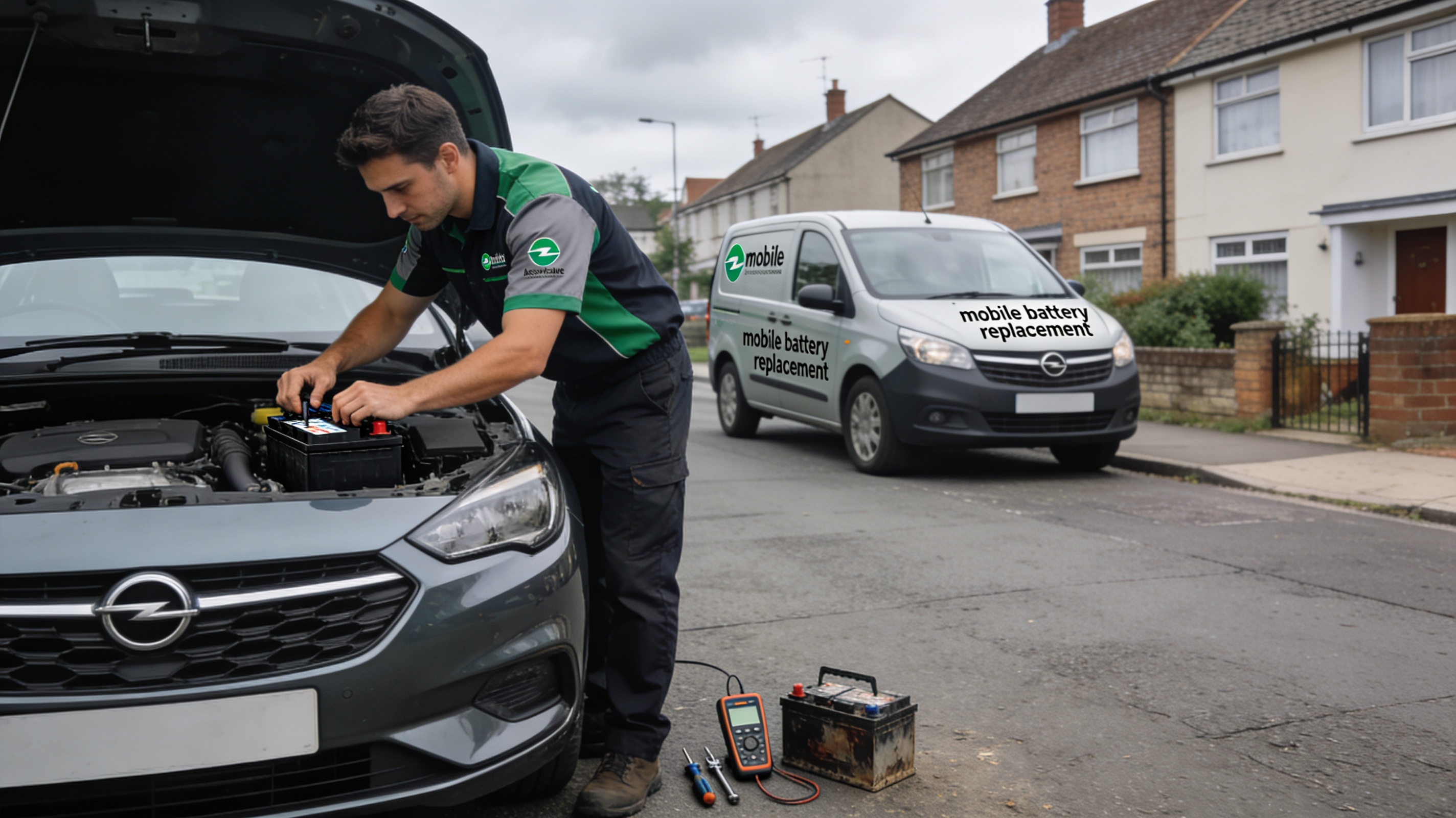
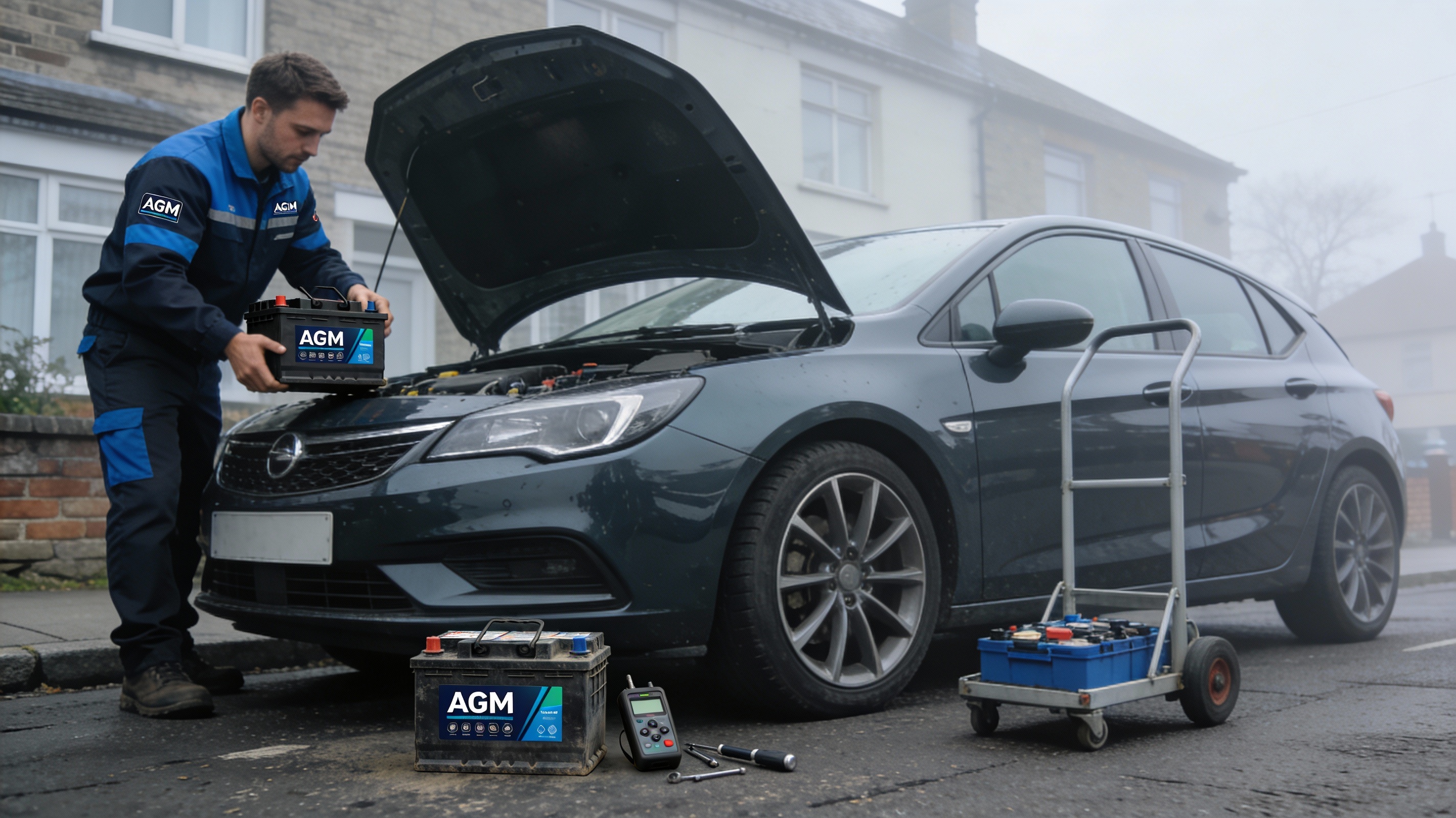
A mobile roadside service can come to you, test everything on the spot, fit the correct type of replacement battery if needed (AGM/EFB/flooded), and in many modern vehicles also handle battery registration/coding so the charging system recognises the new unit correctly.
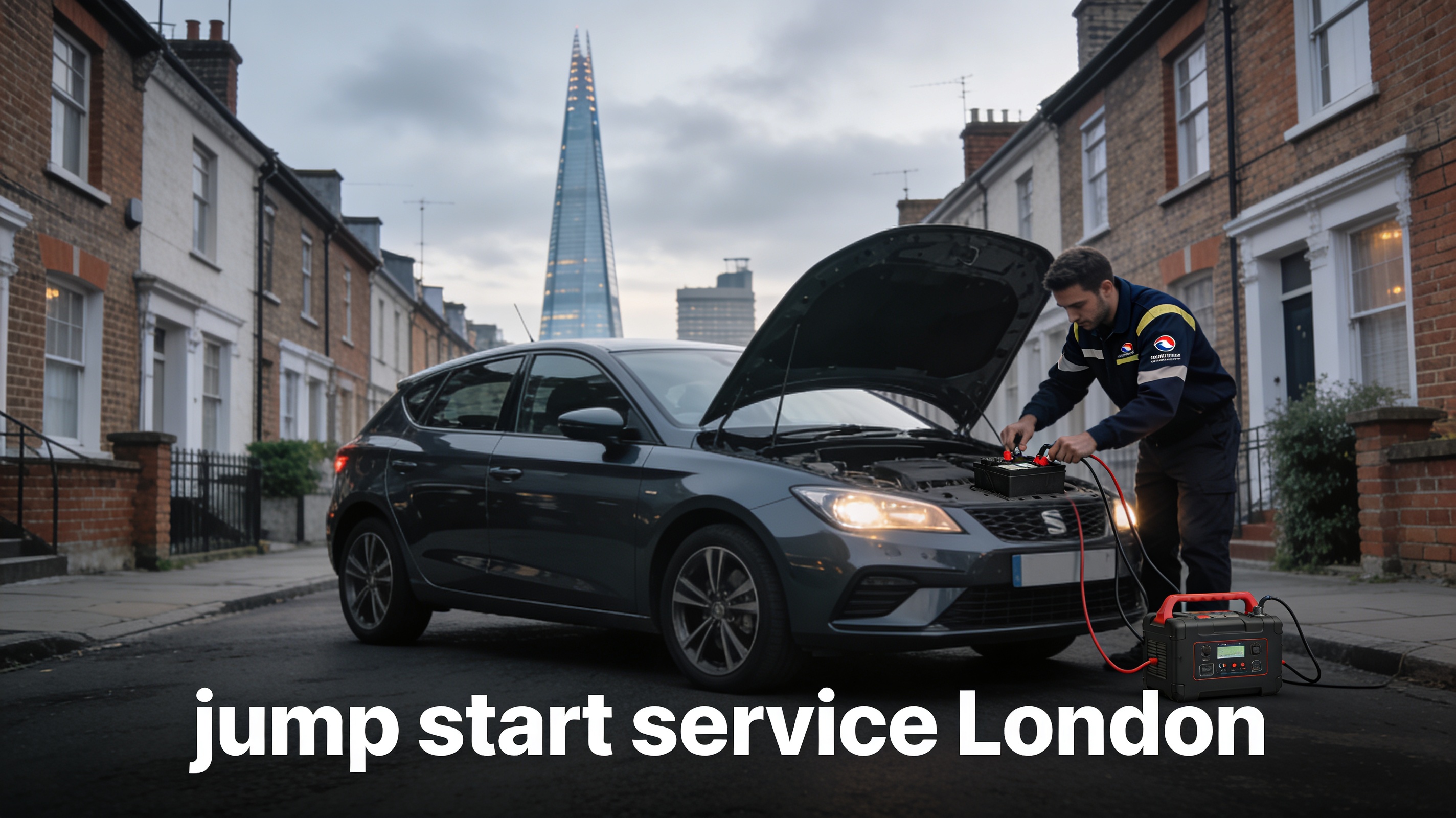
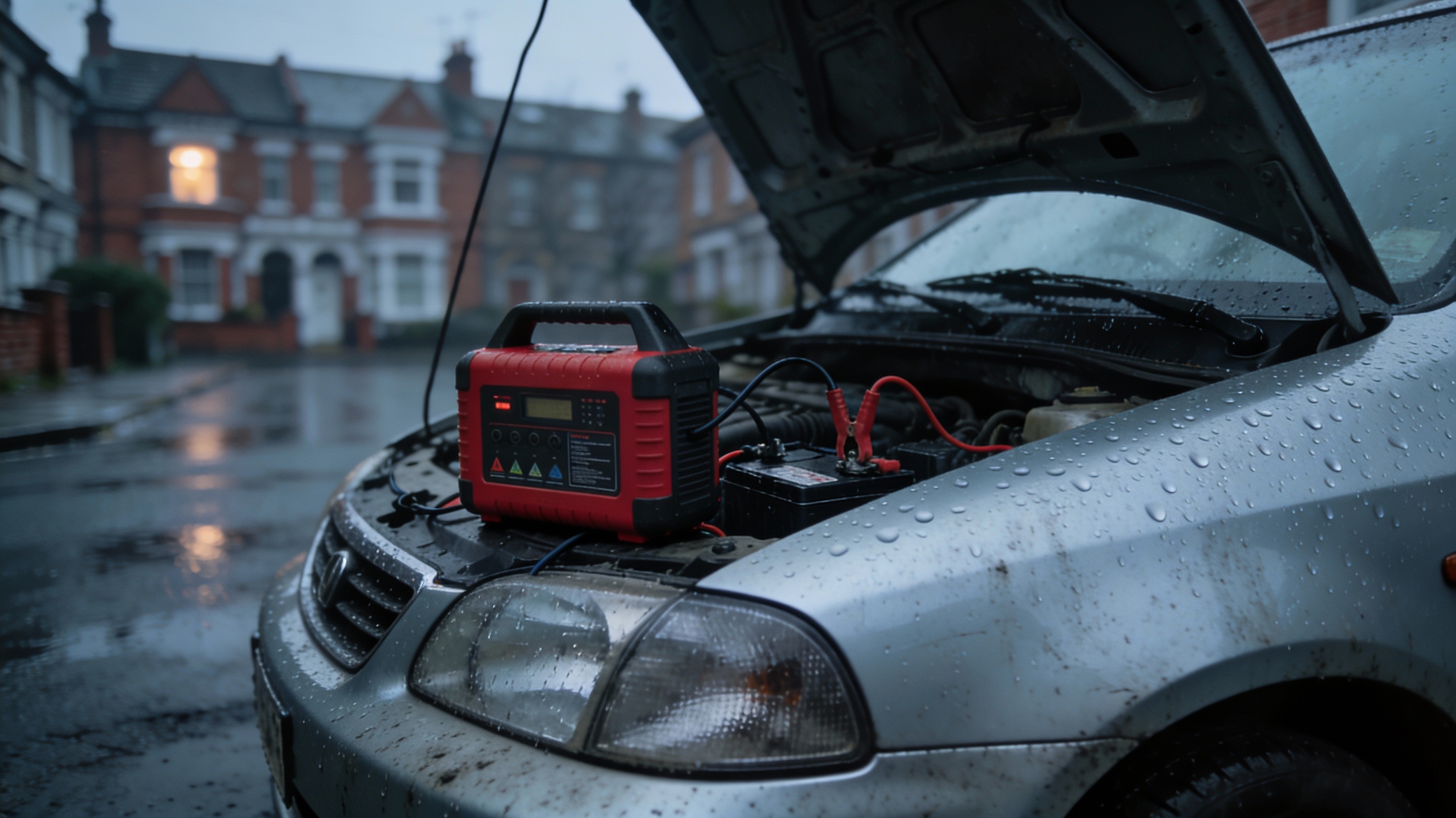
This combination of testing, supply, fitting and coding is often faster, more convenient and more reliable than guessing, jump starting repeatedly, or replacing parts at random.