7 Essential Tips to Keep Your Car Battery Healthy This Winter
Why Winter Is Hard on Car Batteries
Cold temperatures significantly reduce your car battery's ability to deliver power. At 0°C, a fully charged battery has only about 65% of its capacity compared to a warm day. When temperatures drop below freezing, this can fall to just 40%. Combined with the increased electrical demands of winter driving—heaters, lights, demisters, and heated seats—it's no wonder that flat batteries are the number one cause of breakdown calls during winter months.
1. Get Your Battery Tested Before Winter
Prevention is better than cure. Most car batteries last between 3-5 years, but cold weather can finish off a battery that's already weakening. Before the cold sets in, have your battery tested by a professional. Signs your battery might be struggling: - Slow engine cranking when starting - Dim headlights when idling - The battery warning light appearing on your dashboard - Needing to jump start more than once in the past year.
2. Keep Your Battery Terminals Clean
Corrosion on battery terminals creates resistance and makes it harder for your battery to charge and deliver power. Check your terminals regularly and clean any white or greenish buildup using a wire brush or battery terminal cleaner. **Top tip:** After cleaning, apply a thin layer of petroleum jelly to the terminals to prevent future corrosion.
3. Limit Short Journeys When Possible
Short trips are particularly hard on batteries during winter. Your engine takes longer to warm up in cold weather, and the battery doesn't get enough time to fully recharge from the starter motor's heavy initial drain. If you regularly make short journeys: - Consider taking a longer route occasionally to let the battery charge - Use a battery maintainer/trickle charger if your car sits unused for extended periods - Turn off unnecessary electrical accessories during short trips
4. Turn Off Electrical Accessories Before Starting Every electrical accessory draws power from your battery.
Before turning off your engine, switch off: - Headlights - Heated seats and steering wheel - Air conditioning/heating fan - Radio and infotainment system - Phone chargers This means less drain on the battery when you next start the car, giving the starter motor the best chance of success.
5. Park in a Garage When Possible
A garage, even an unheated one, can be several degrees warmer than outside. This small temperature difference can make a significant impact on your battery's performance and longevity. If you don't have a garage: - Park facing away from the wind - Use a car cover to provide some insulation - Consider a battery blanket or warmer for extreme cold.
6. Check Your Charging System
A failing alternator won't keep your battery properly charged, leaving you vulnerable to breakdowns. Warning signs include: - Battery warning light on the dashboard - Flickering or dim lights - Strange noises from under the bonnet - Electrical accessories behaving erratically Have your alternator and charging system tested along with your battery before winter.
7. Know the Signs of a Dying Battery
Being able to recognise when your battery is failing can help you get it replaced before you're stranded:
Immediate warning signs:
Engine cranks slowly or struggles to start
Clicking sound when you turn the key
Dashboard lights dim when starting
You need to press the accelerator to start
Gradual signs:
Battery is more than 4 years old
Swelling or bloating of the battery case
Rotten egg smell (indicates internal damage)
Frequent need for jump starts
What to Do If Your Battery Dies
If you find yourself with a flat battery, don't panic. Here are your options:
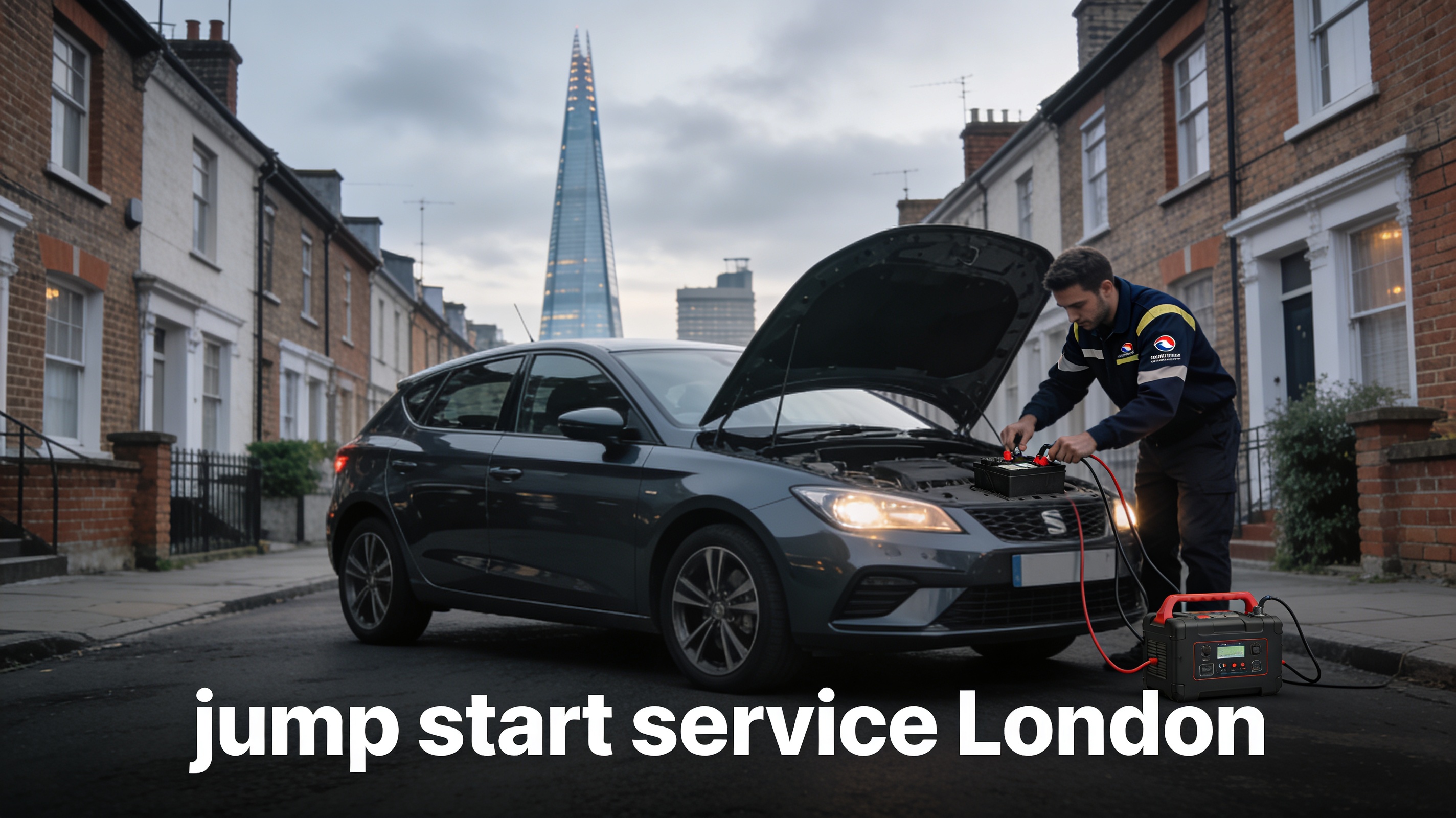
Jump start - If you have jump leads and another vehicle, you can jump start your car. Make sure you connect the cables correctly to avoid damage.
Portable jump starter - A worthwhile investment that lets you jump start without another vehicle, however you must be sure to follow correct procedures as detailed in your vehicle manual and ensure the booster pack is correctly rated for your vehicle as you can cause damage to the vehicles sensitive electrical systems.
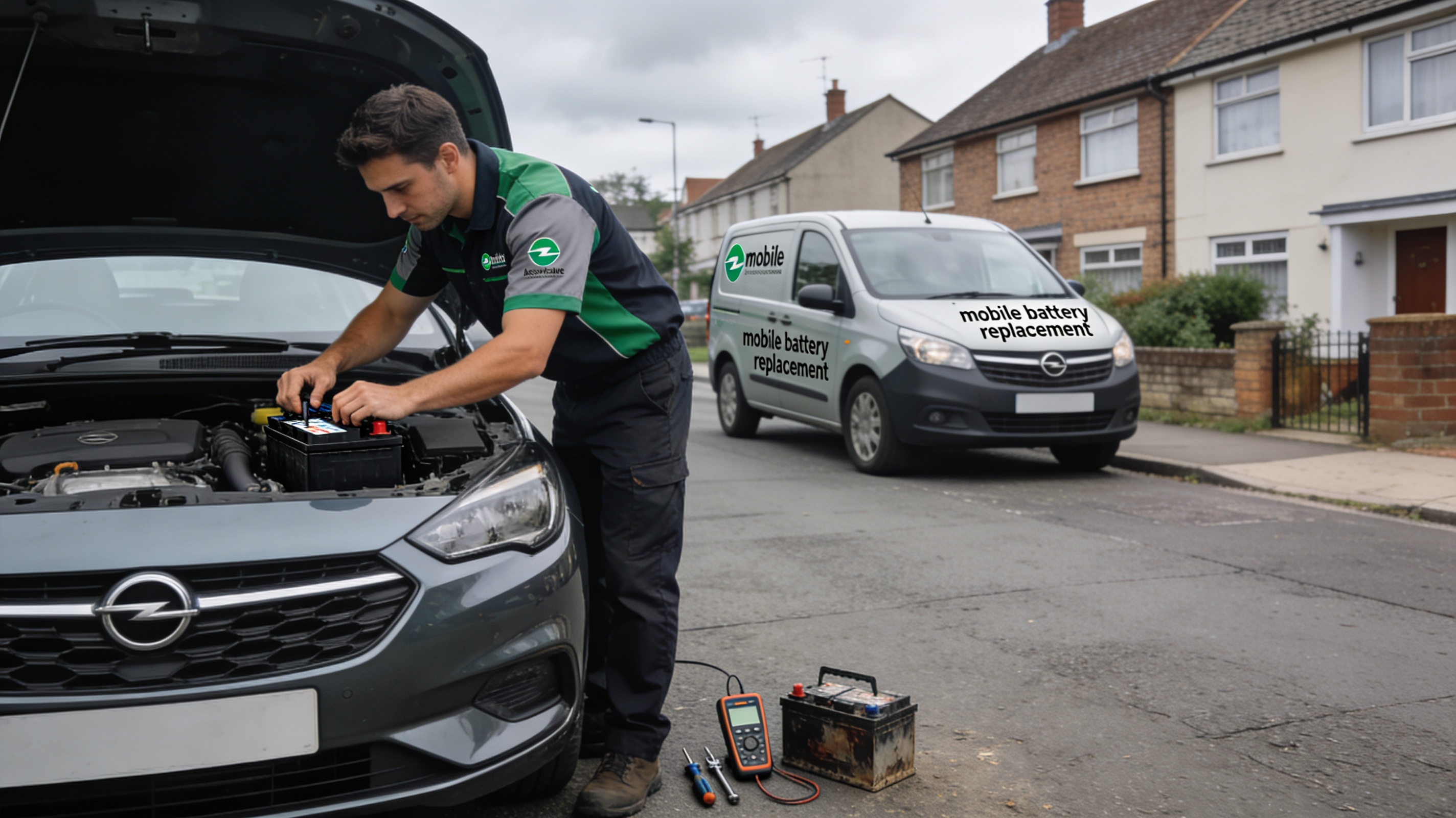
Call for professional help - Our mobile technicians can come to you, test your battery, and either jump start your vehicle or fit a replacement battery on the spot.
When to Replace Your Battery Sometimes a jump start is just a temporary fix.
Consider replacing your battery if:
It's more than 5 years old
You've needed multiple jump starts recently
The battery fails a professional load test
There's visible damage or corrosion
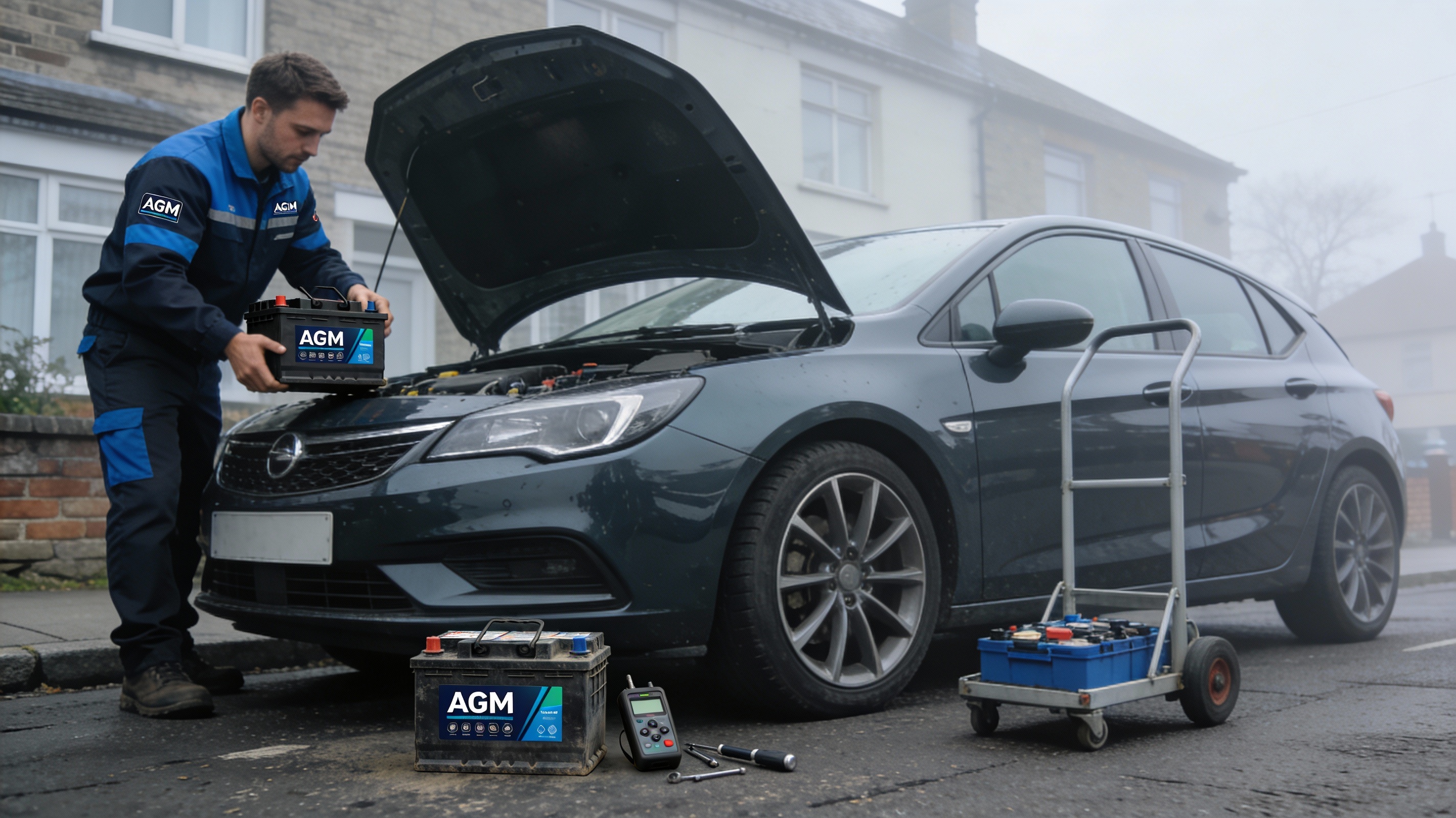
Our technicians carry a range of quality batteries and can fit a replacement at your home or workplace, often within the hour.
Need help with your car battery?
Our mobile technicians are available 7 days a week across London for jump starts and battery replacements. Book online for same-day service, or call us for immediate assistance.