Car Battery Registration & Coding: Why It's Essential After Replacement (Professional Service)
What is Car Battery Registration/Coding?
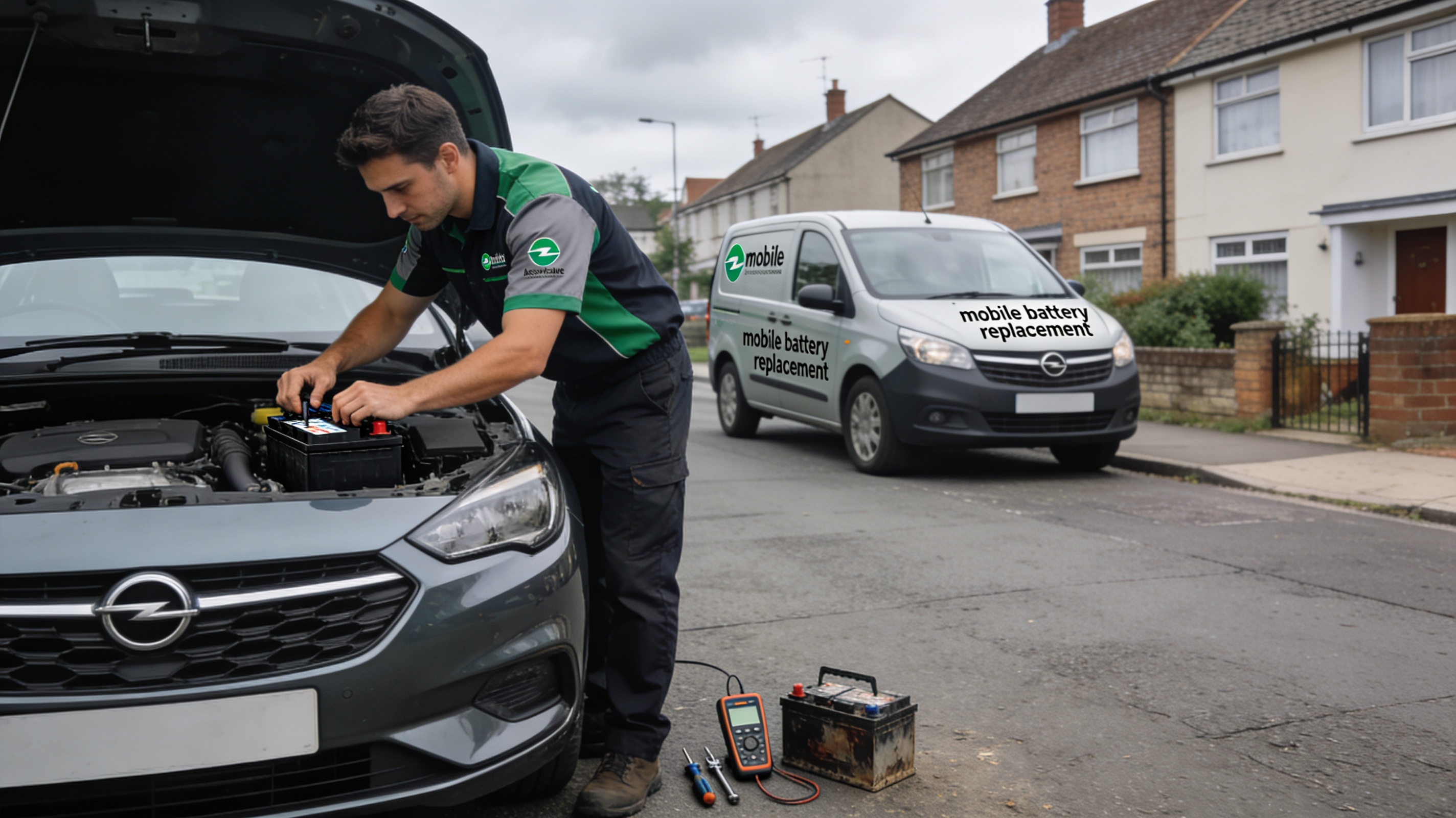
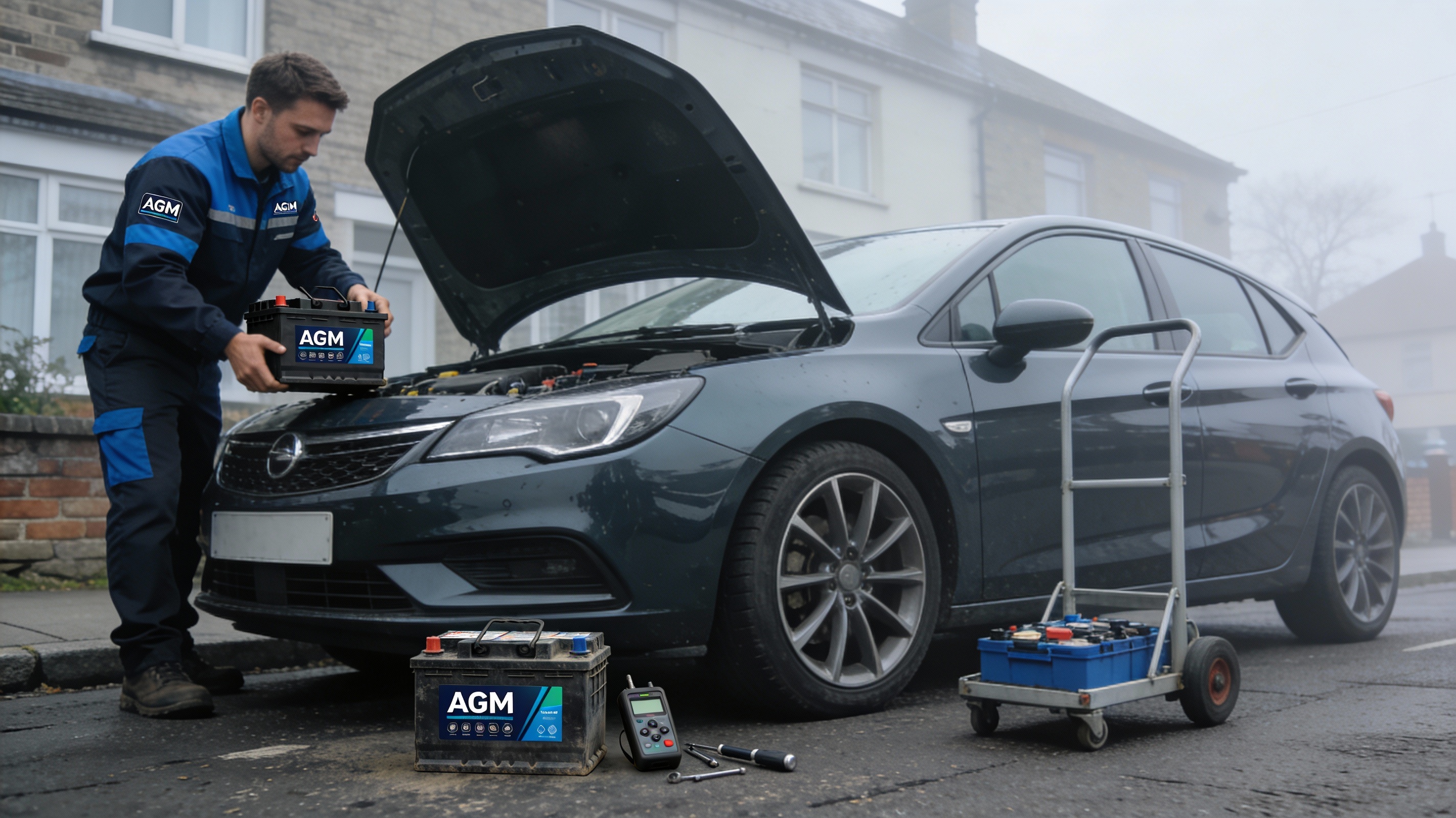
Car battery registration (also called coding or programming) updates your vehicle's computer systems with new battery specifications after replacement. Modern cars track battery capacity (Ah), type (AGM/EFB), and condition via an Intelligent Battery Sensor (IBS) on the negative terminal. Without registration, the car's Brain (ECU/BMS) assumes the old weak battery remains, leading to improper charging. Professionals use diagnostic tools via the OBD2 port to input exact battery data.
Why Modern Cars Need Battery Coding
Start-Stop systems, regenerative braking, and high electrical loads require smart charging. The alternator adjusts voltage (13.5-14.8V) based on learned battery data. A new battery has different charge acceptance than the old one—AGM charges faster than flooded. Without coding, the system overcharges (causing gassing/heat) or undercharges (sulfation), reducing lifespan from years to months. Proper registration optimizes fuel economy and prevents warning lights.
Which Vehicles Require Professional Battery Registration?
Primarily European premium brands with Battery Management Systems (BMS):BMW/Mini (2007+ models): All require BEM coding.
Audi/VW/Skoda/Seat: VAG group needs Gateway adaptation.
Mercedes-Benz: Star Diagnosis registration.
Porsche, Jaguar, Land Rover: Diagnostic mandatory.
Some Ford, Mazda models too.
Most start / stop compatible vehicles
Basic cars without Start-Stop often self-adapt, but check your manual for IBS presence.
Battery Types That Demand Coding
Advanced batteries from our previous AGM/EFB guide (link here):
AGM (Absorbent Glass Mat): Start-Stop premium—fast charge acceptance requires specific profile.
EFB (Enhanced Flooded): Entry Start-Stop—needs capacity/type coding.
Flooded/CMF rarely need it unless upgraded.
Battery labels show BEM codes (e.g., BMW A080, Varta specs). Mismatch triggers faults.
Risks of Skipping Battery Registration
Common post-replacement problems:
Overcharging: New battery fails in weeks from electrolyte loss.
Persistent warnings: Battery/Start-Stop lights stay on.
Feature disablement: No auto engine shutoff in traffic.
Warranty void: Manufacturer detects uncoded battery.
Safety risks: Potential electrical faults or fires from heat buildup.
Professional coding prevents these expensive issues.
What Happens During Professional Battery Coding?
Experts use specialist equipment to read old battery data, input new specs (Ah, type, serial). Reset charging algorithms and clear fault codes then test Start-Stop and voltage stability.
Signs Your Battery Needs Registration
After DIY replacement:
Battery warning light illuminated.
Start-Stop disabled (no "A" symbol).
Reduced fuel economy or erratic idling.
Voltage reads high (15V+) on multimeter.
Always trust verified professionals.